ARTIST SPOTLIGHT:
Bart Ross:
“The Art of Seeing What Others Walk Past”
Written by Omar Holguin · Los Angeles, California
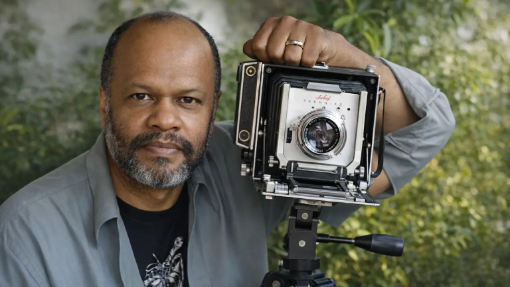
There is a particular kind of patience required to do what Bart Ross does — to stand before something ordinary and wait for it to become extraordinary. It is the patience of a craftsman, the stillness of a poet, and the precision of a scientist. It is, in his own words, genetic.
A Legacy Woven Into Everyday Life
Bart Ross did not come to photography by accident. He arrived through a family saturated in creative expression — a father who has painted, sculpted, crafted jewelry, made prints, and at 91 continues to win recognition for needlepoint; a mother whose gift was her unwavering support of artists and cultural institutions. Four brothers, each touched by the visual arts in their own way. For Bart, creativity was not an elective — it was the air his household breathed.
He grew up in Pasadena in what he proudly describes as a United Nations family — a blended, multi-cultural, multi-racial household that drew from Black, White, Hispanic, Japanese, Filipino, Nepalese, and Armenian heritage. The adults in his life took culture seriously: memberships at the Pasadena Art Museum, regular visits to the Huntington Library and LACMA, and pilgrimages to the folk-art wonder of the Watts Towers. These were not field trips. They were values made visible.
The Moment Everything Changed
The camera entered Bart’s life with the spontaneity that all great encounters seem to have in retrospect. He was ten years old, standing in line at Disneyland with a Kodak Instamatic in his hands. What he captured on the Jungle Cruise — an animatronic baby elephant under a waterfall — came back from the drugstore looking nothing like what he remembered seeing. In the photograph, the elephant appeared to be perched on the boat’s railing, a visual impossibility made real through the lens.
Rather than feel confused, Bart felt a door swing open.
“I thought, ‘Wow! What else can I do with a camera?!'”
That image introduced him to the transformative power of framing — the radical idea that a camera does not simply record reality but interprets it. The crop, the angle, the point of view: these were not limitations. They were instruments.
Mentorship at the Highest Level
At eighteen, Bart traveled to Carmel, California for a photography seminar organized by the Friends of Photography. What awaited him there was nothing short of historic. Ansel Adams was in attendance. So were Wynn Bullock, Brett Weston, Cole Weston, Minor White, and Ralph Gibson — an assembly of photographic giants that would never convene again. It would, in fact, be among the last public appearances for both Wynn Bullock and Minor White before their passing.
Bart received a portfolio review from these masters. The experience proved pivotal — not just as technical instruction but as a confirmation of artistic seriousness. He went on to study at San Francisco State University, where his practice deepened alongside his identity as an artist.
The Deliberate Eye
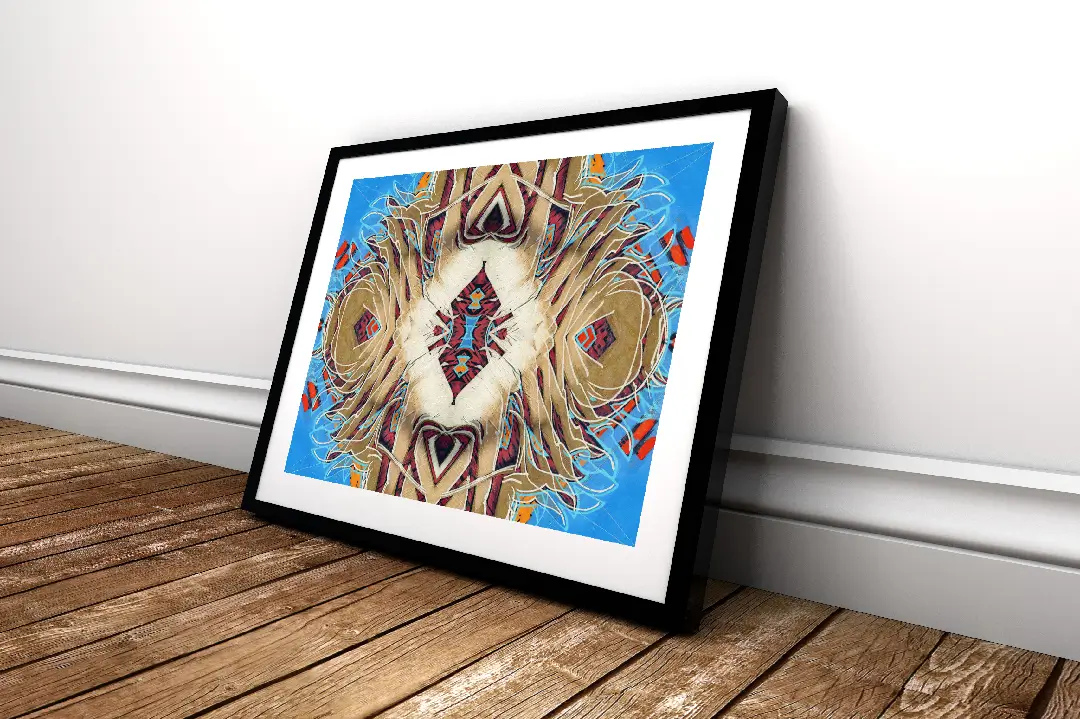
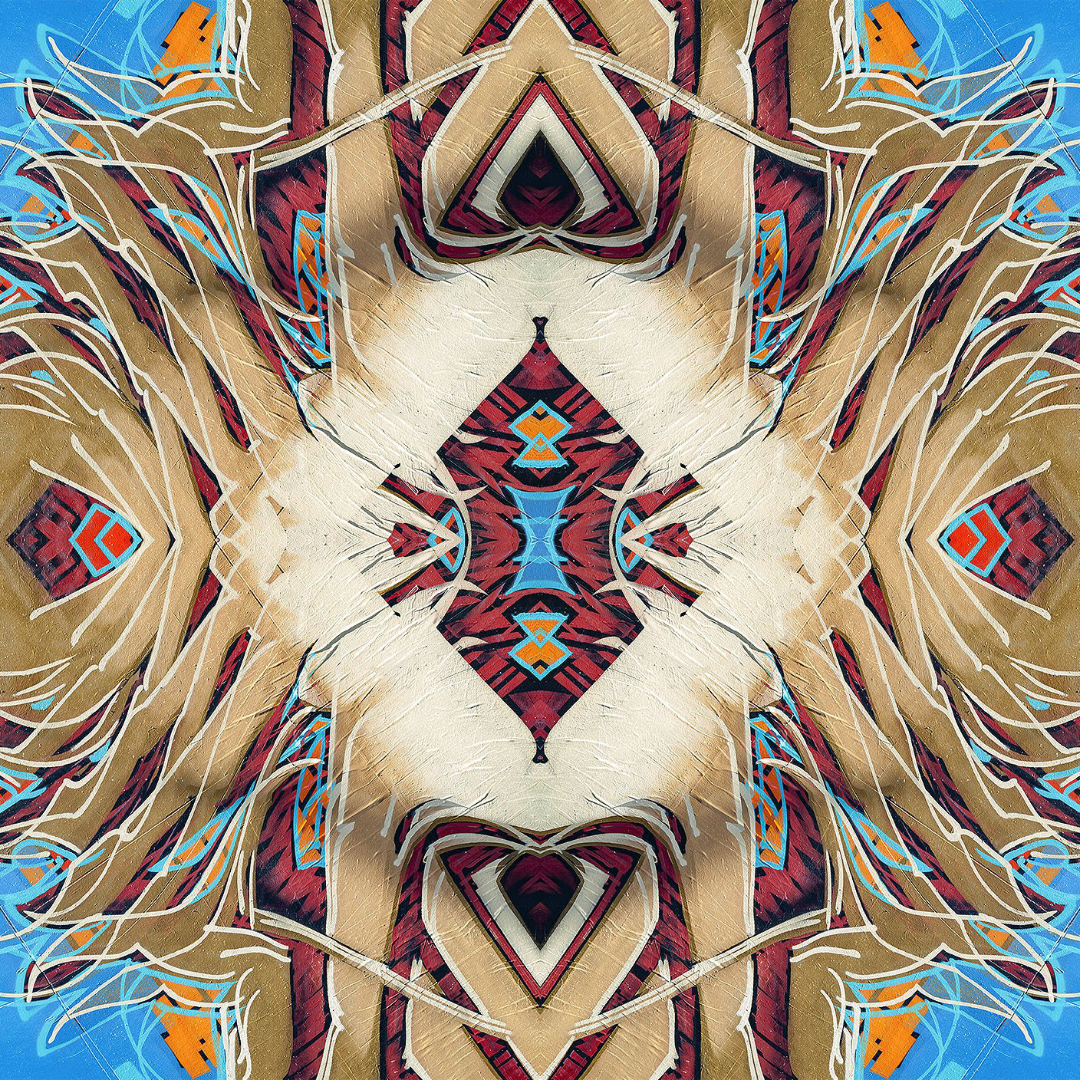
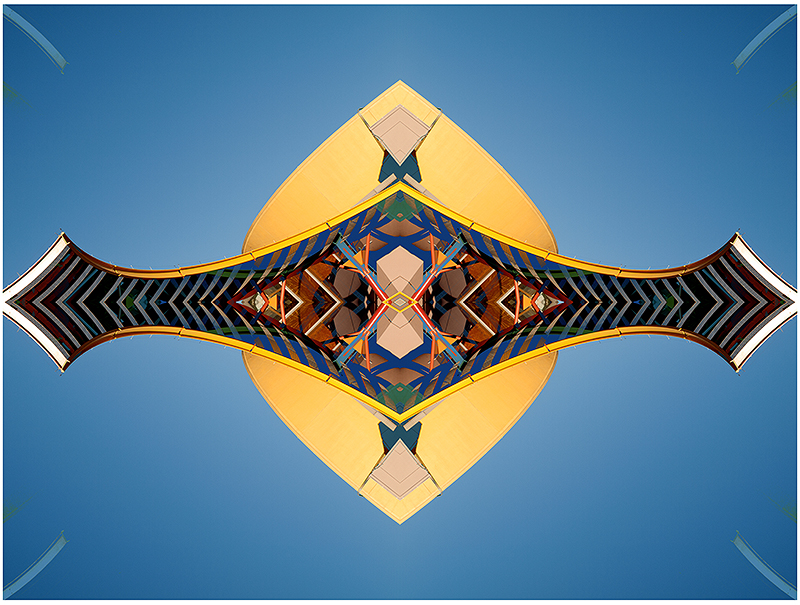
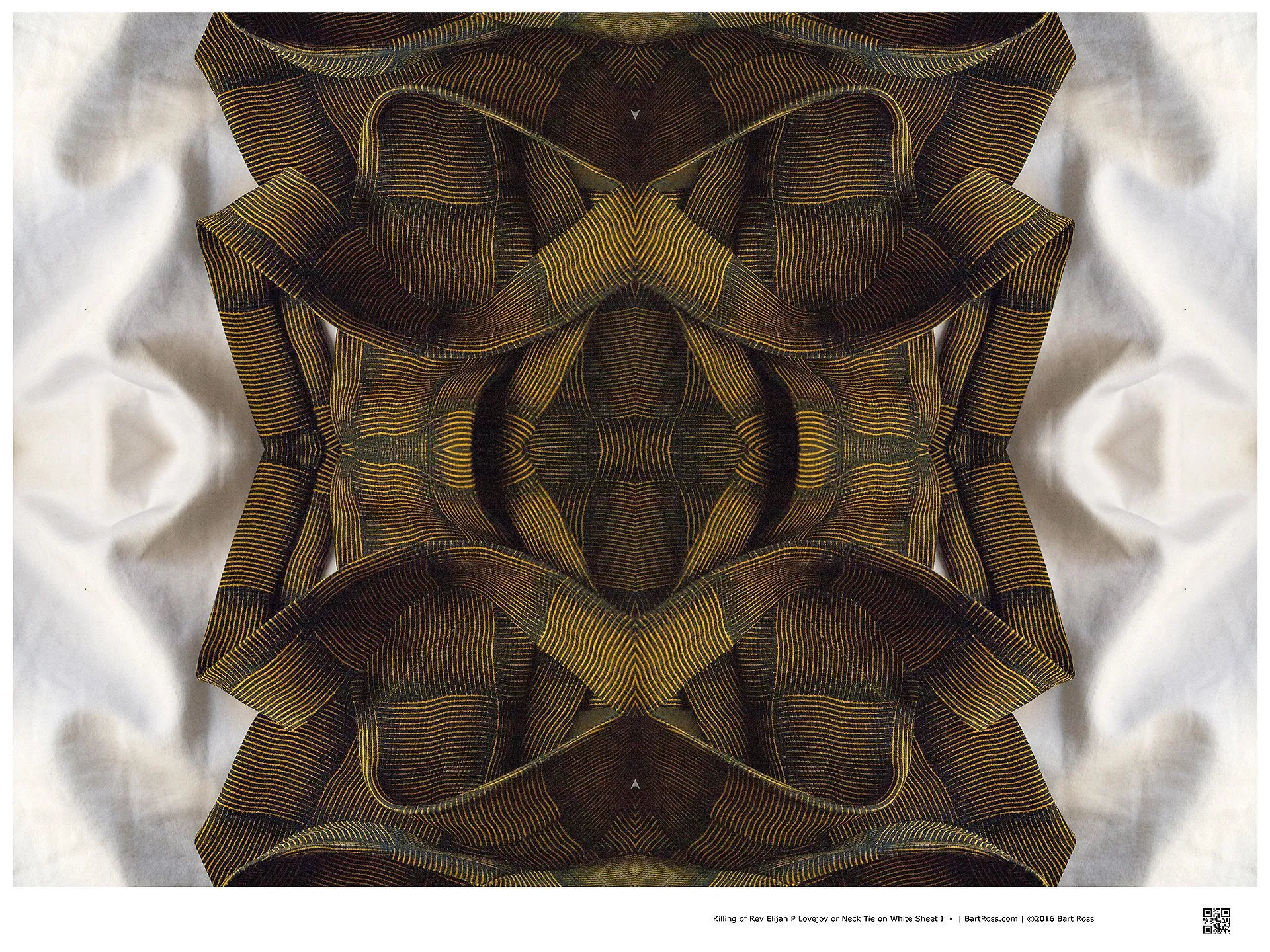
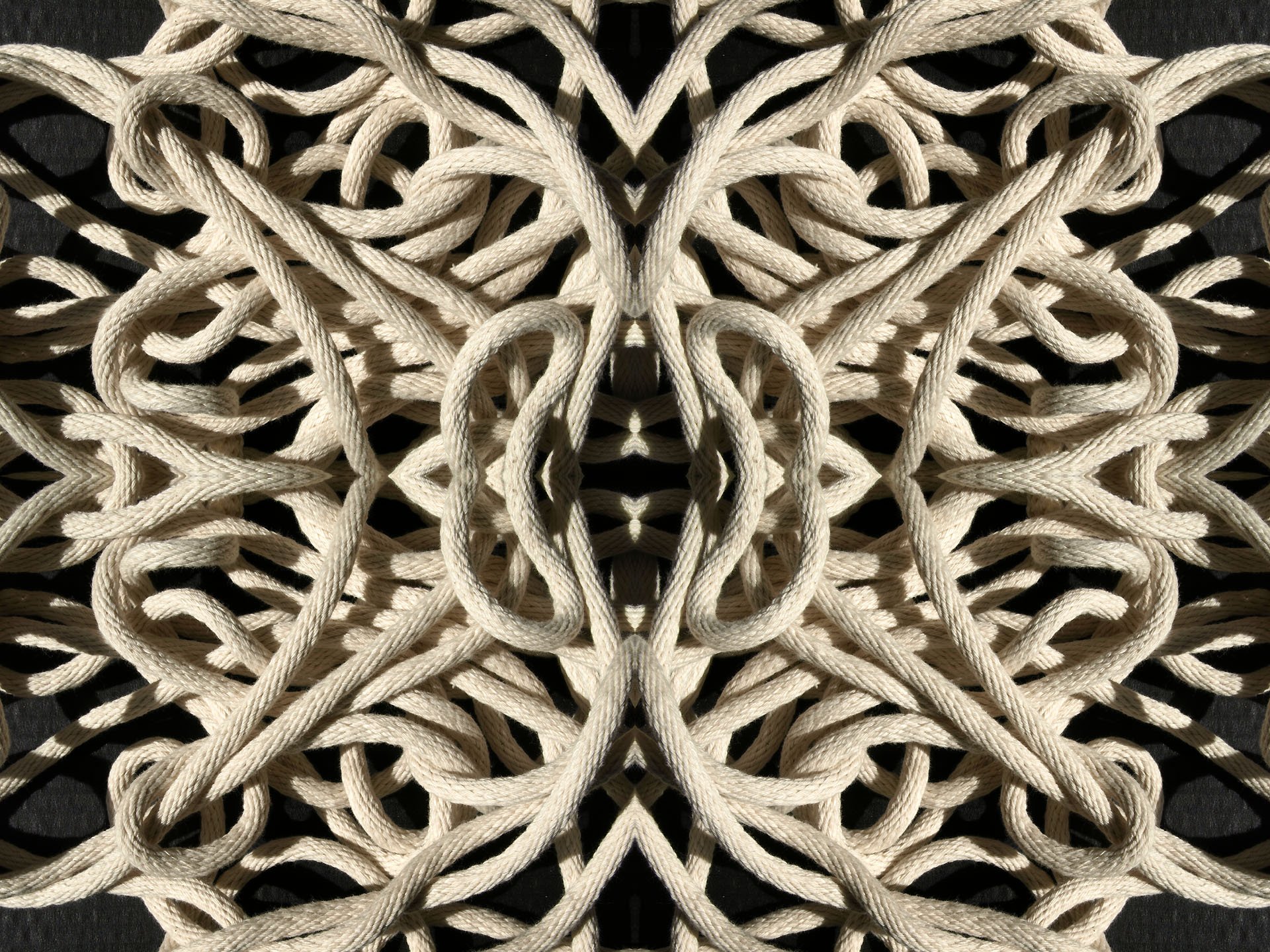
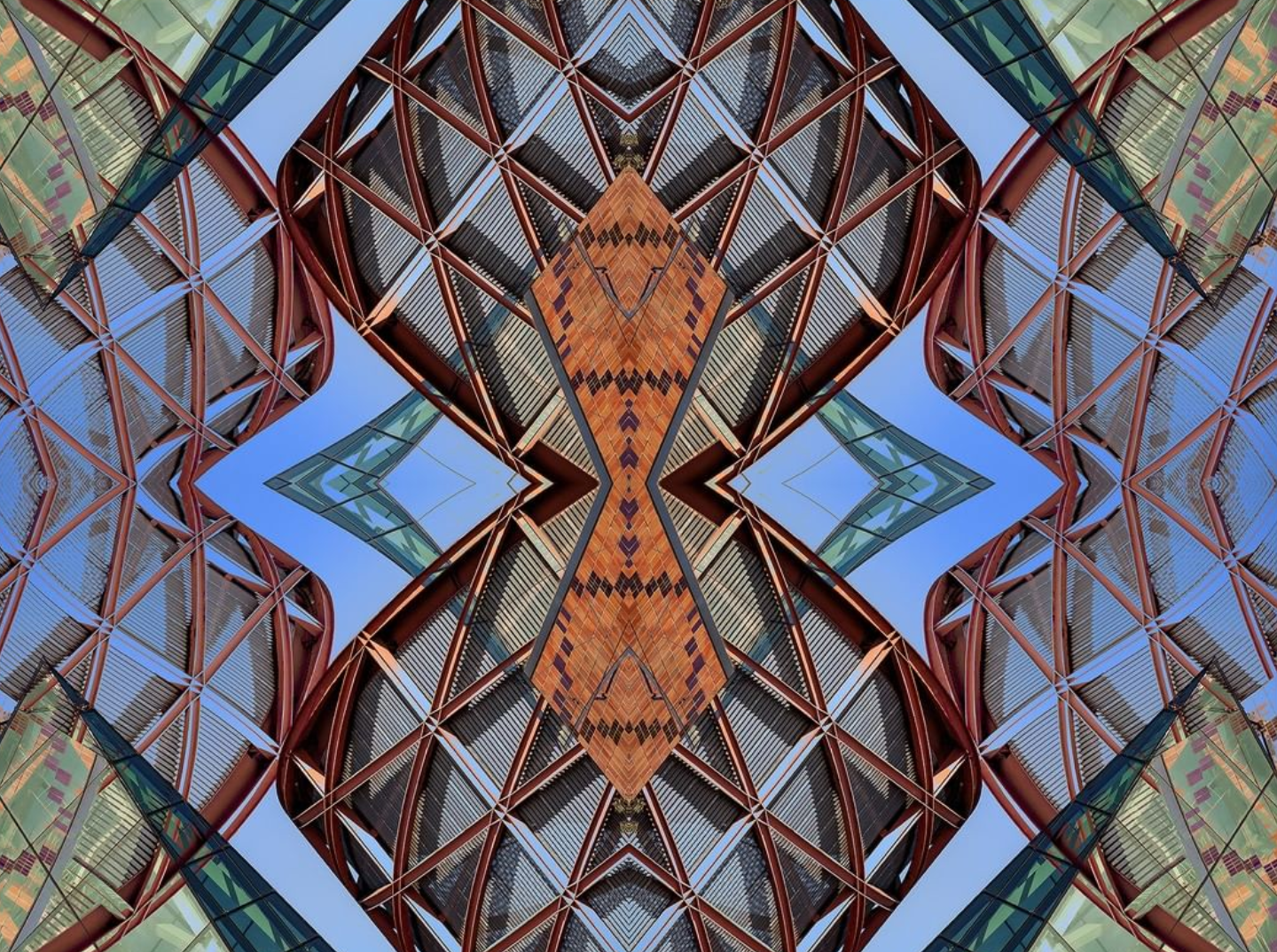
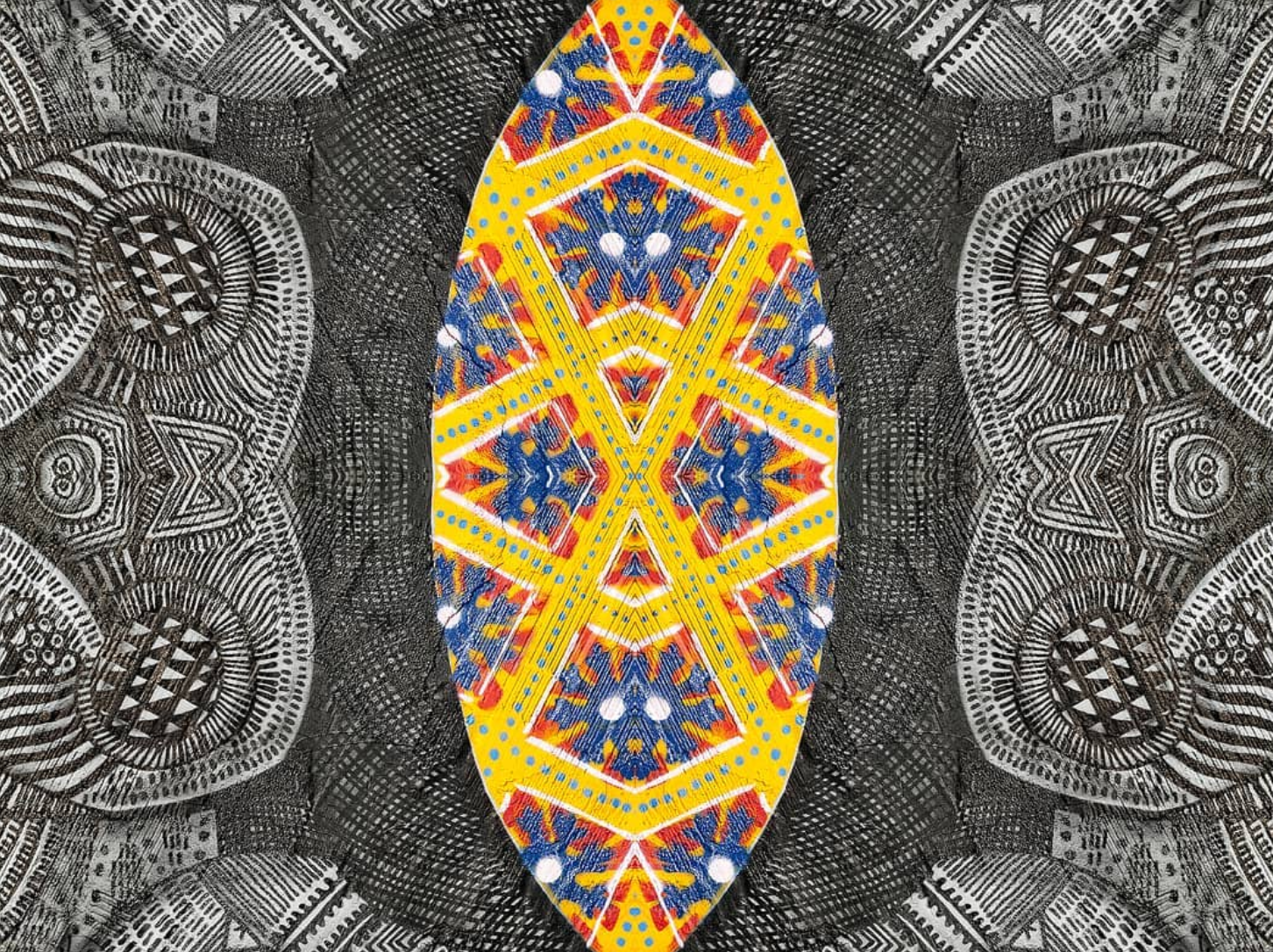
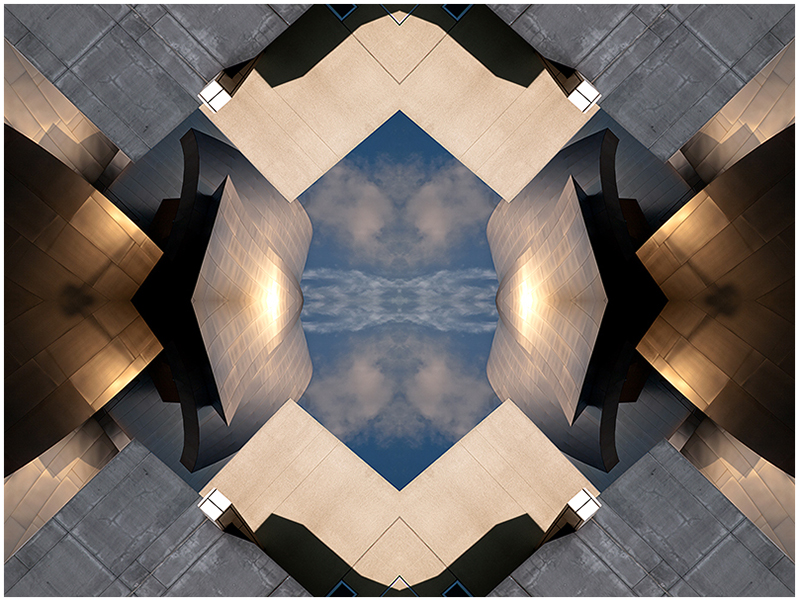
What distinguishes Bart Ross today is the quality of his attention. His photographic process is deliberately unhurried. He has been known to observe a potential photograph for months before ever lifting his camera. He is searching for the essence of what most people dismiss as mundane — the ignored corner, the overlooked surface, the moment of light that most eyes never register.
His is a philosophy rooted in the conviction that meaning is always already present in the world; the photographer’s task is simply to reveal it. It is the slice, not the spectacle. The small story hidden inside the larger one. The composition that rewards the patient eye.
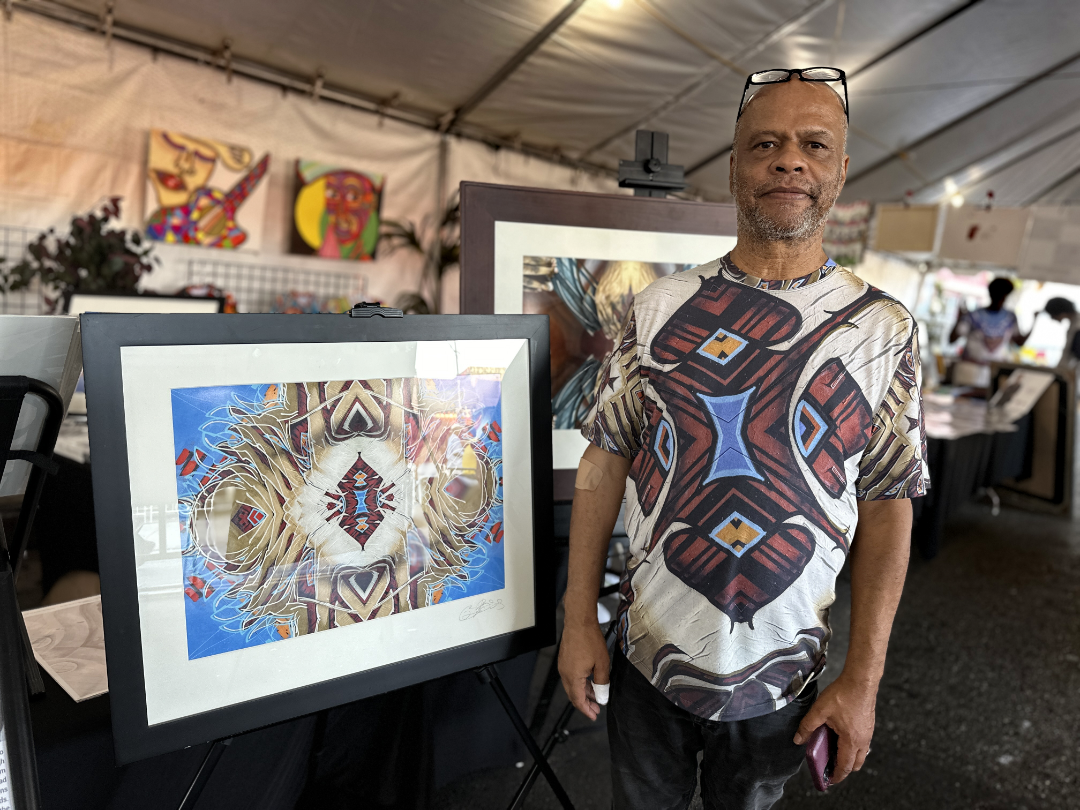
Bart Ross is based in Pasadena, California. His work spans decades of deliberate visual exploration and stands as a testament to the generative power of a curious eye and an unhurried mind.
— Published by La Mancha Gallery, Los Angeles