Cultural Destination:
Arts at Delicious at The Dunbar:
"Where Culture, Cuisine, and Community Come Together"
Written by Omar Holguin · Los Angeles, California
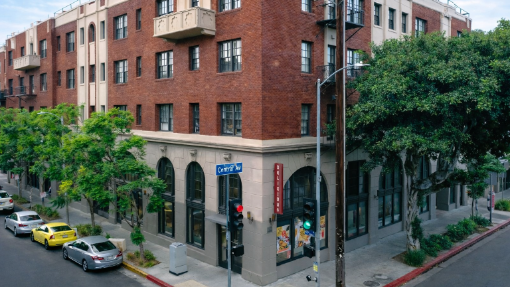
There are places in a city that hold memory in their walls — not as nostalgia, but as living evidence of what a community has survived, built, and refused to let go. The Dunbar Hotel on South Central Avenue is one of those places. And inside it, something new is being written — in color, in sound, in the quiet ritual of a shared meal. Arts at Delicious at The Dunbar is not simply an art program. It is a declaration that culture belongs at the table.
The Intersection of Art and Dining
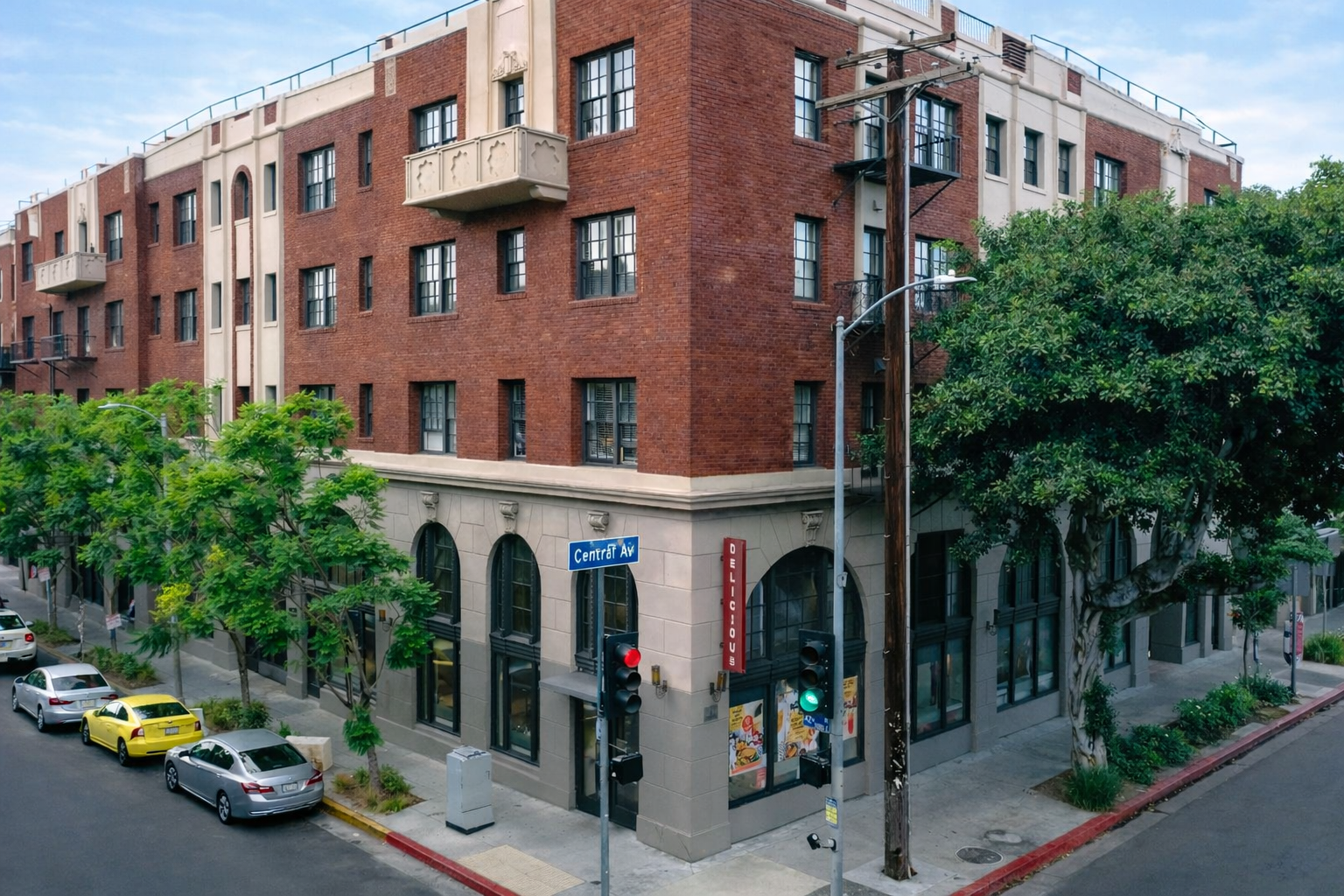
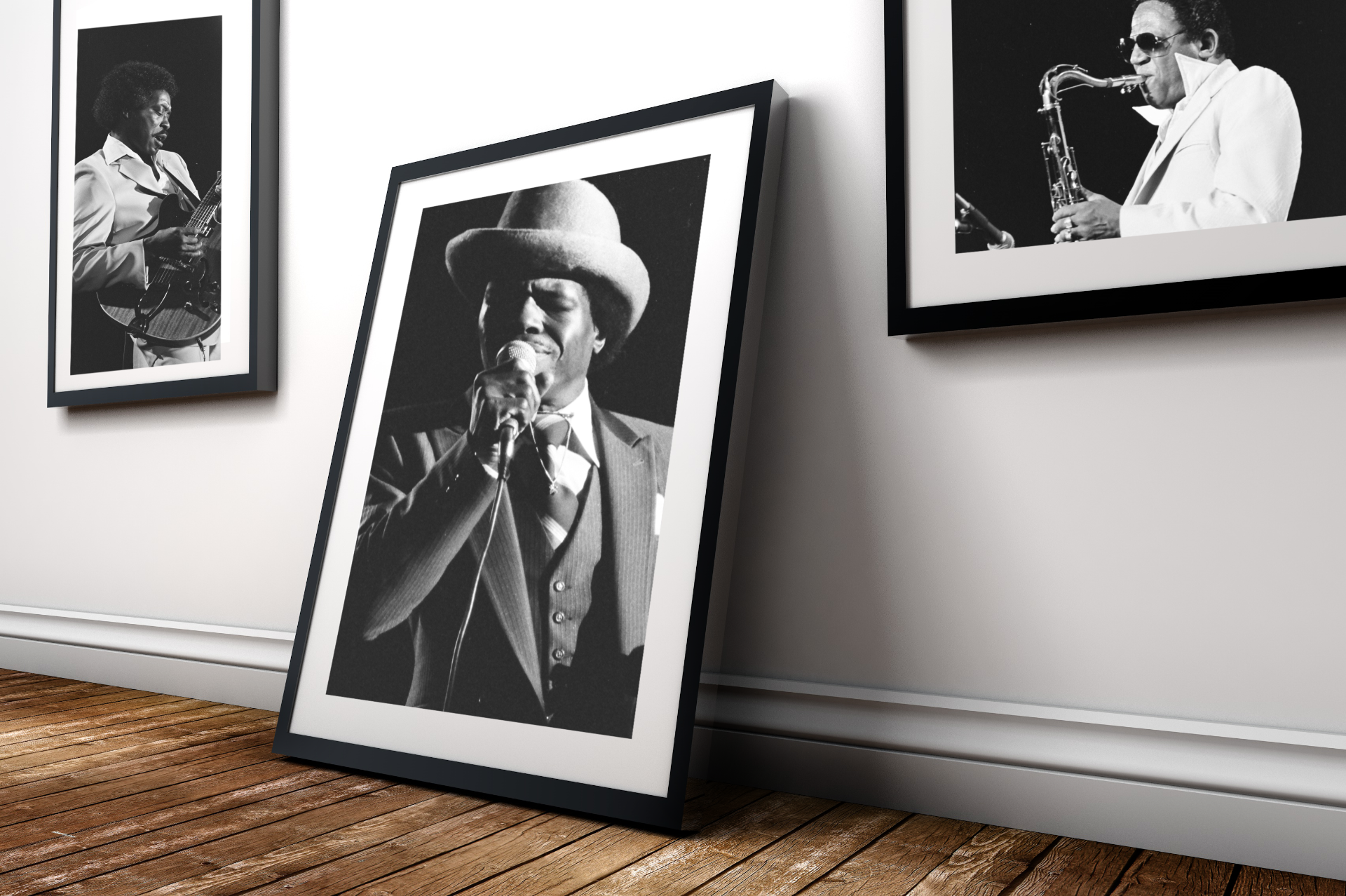
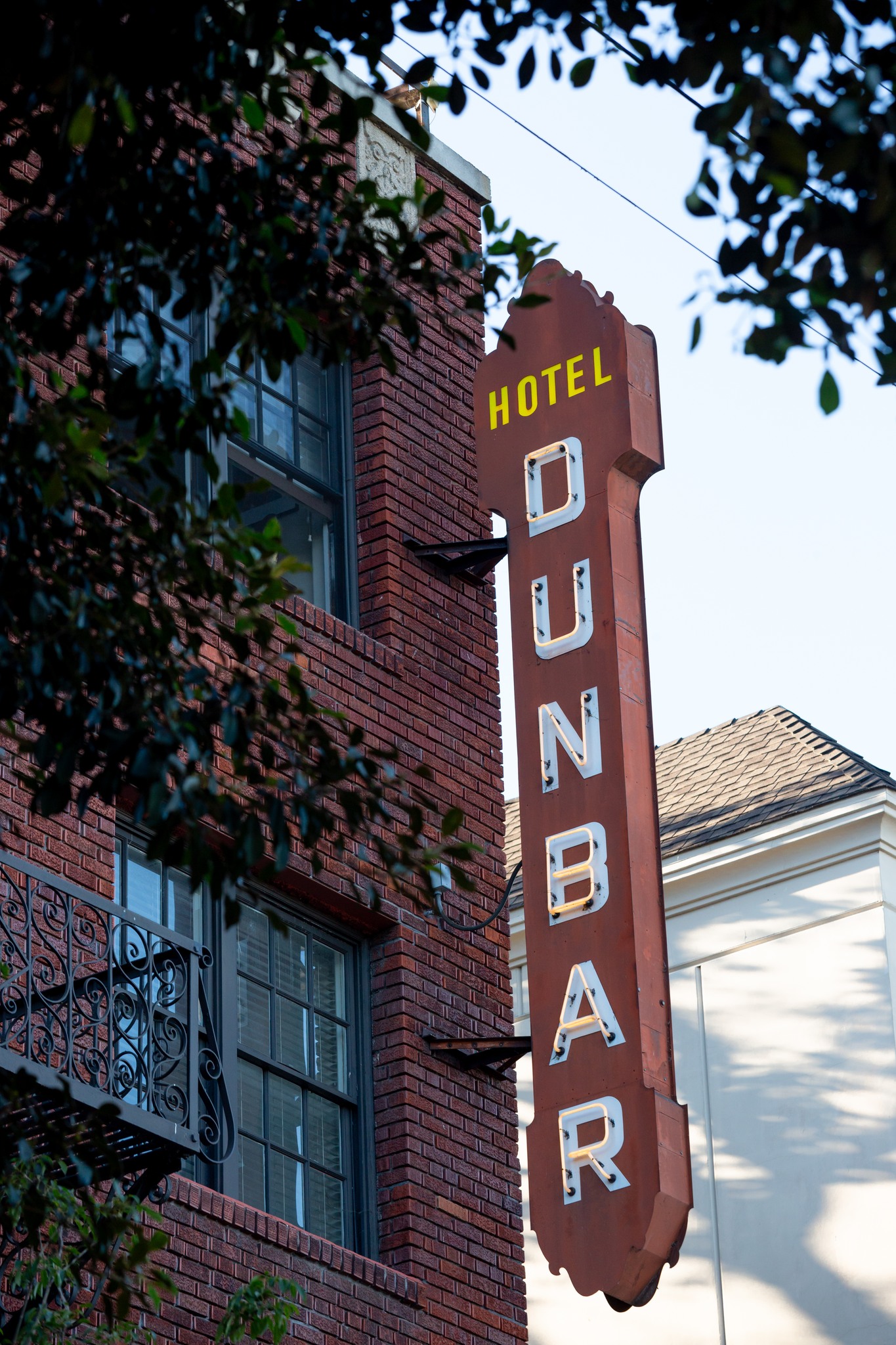
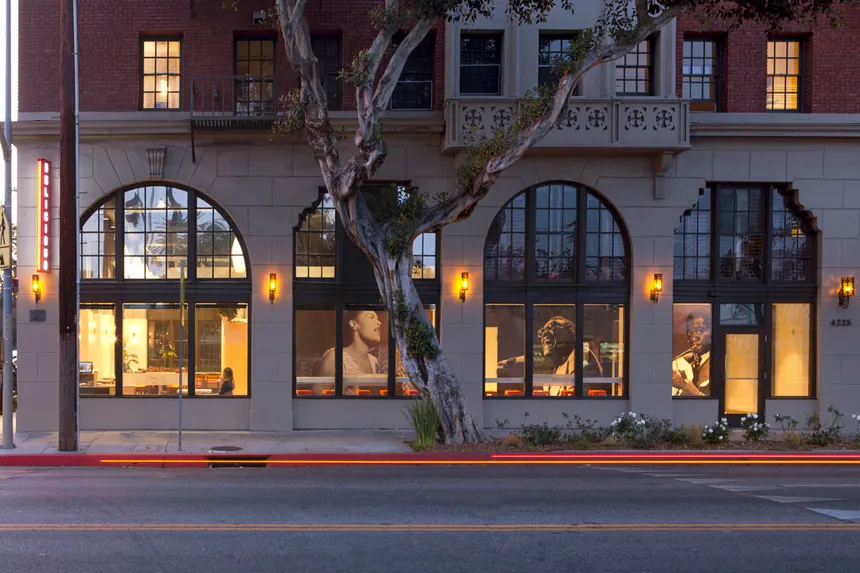
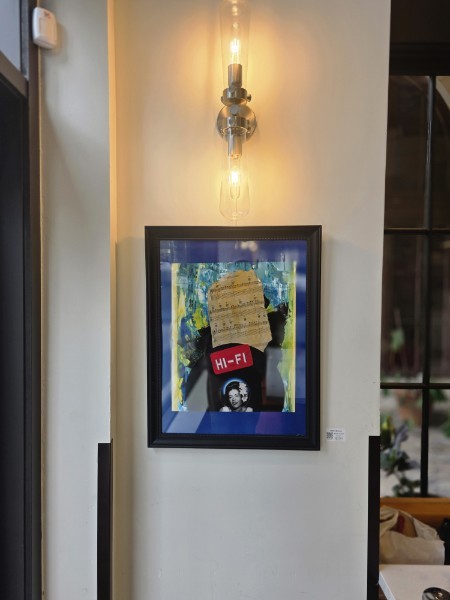
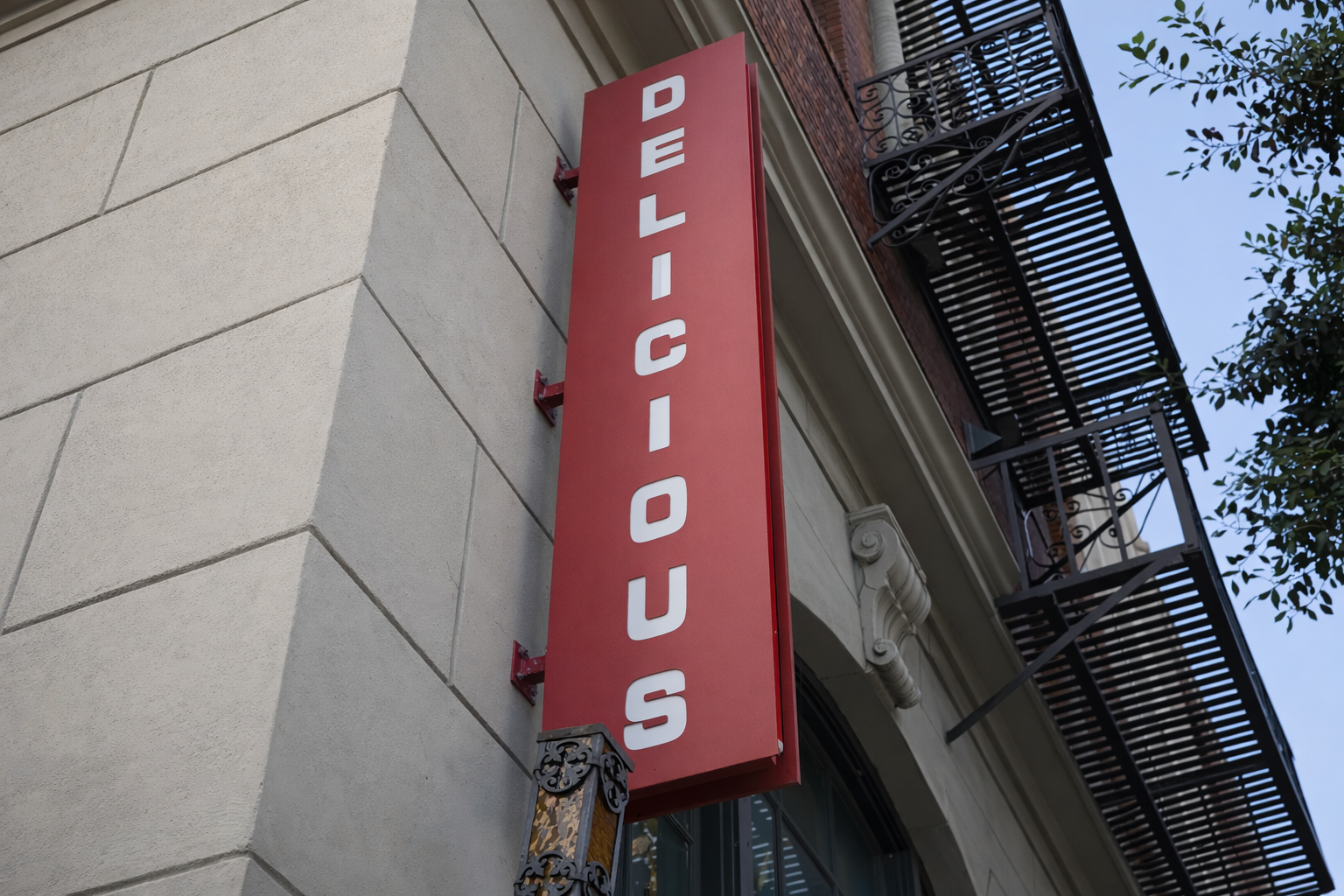
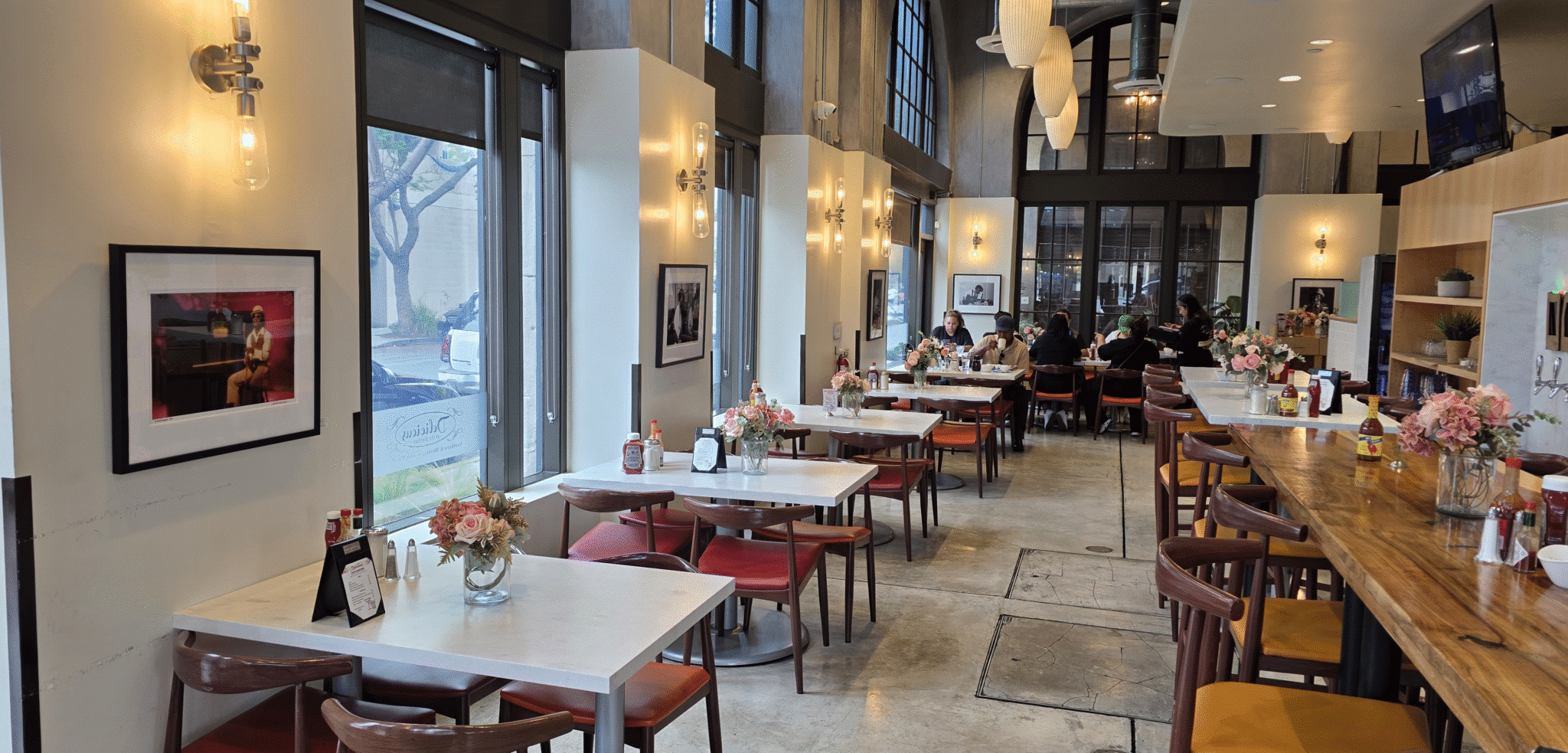
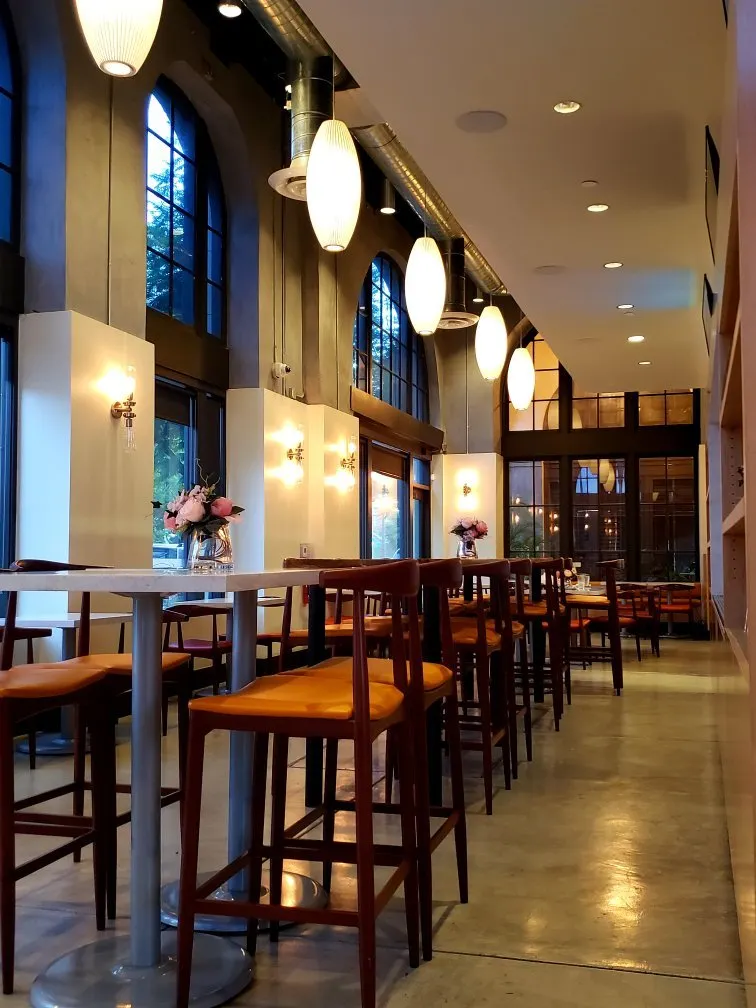
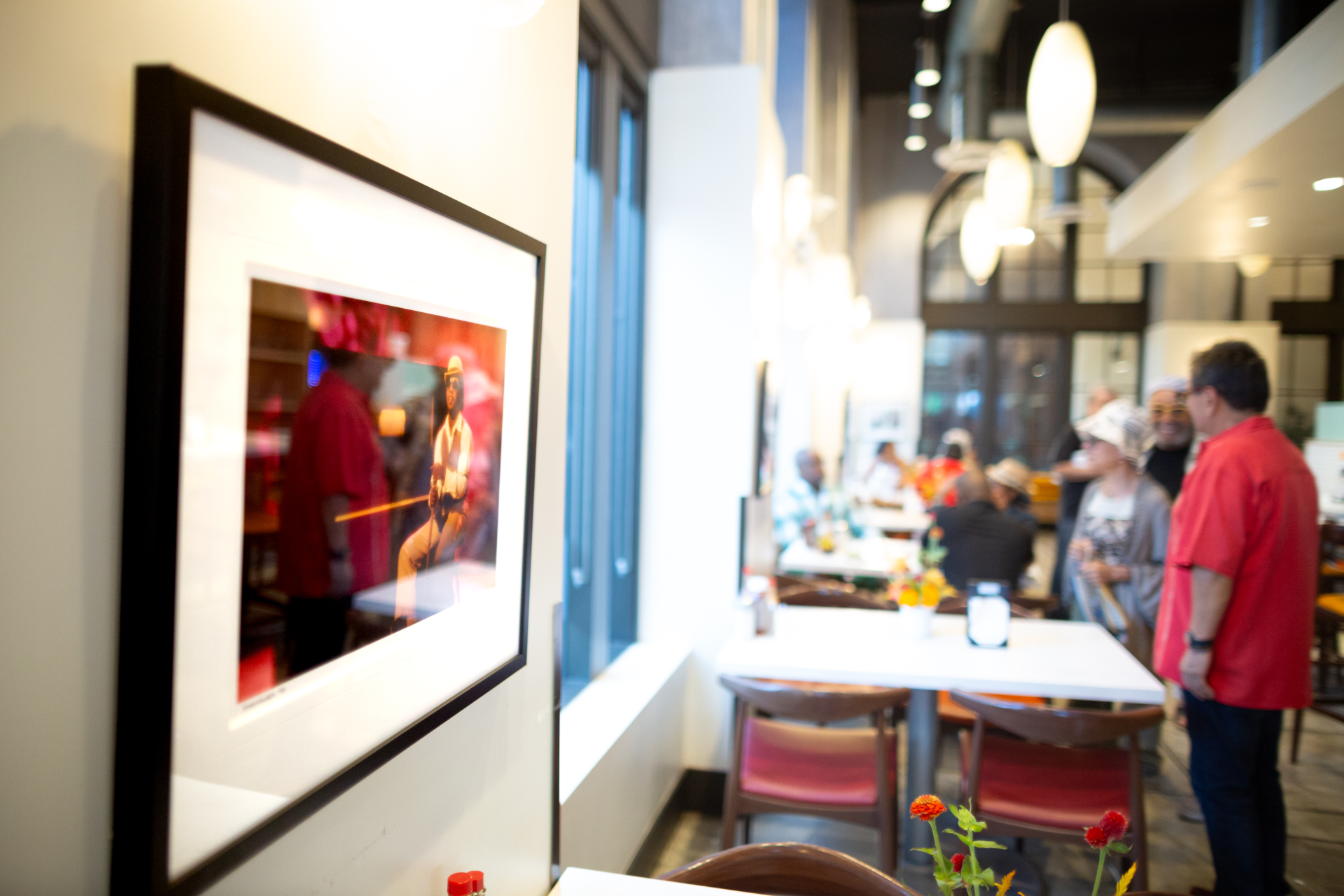
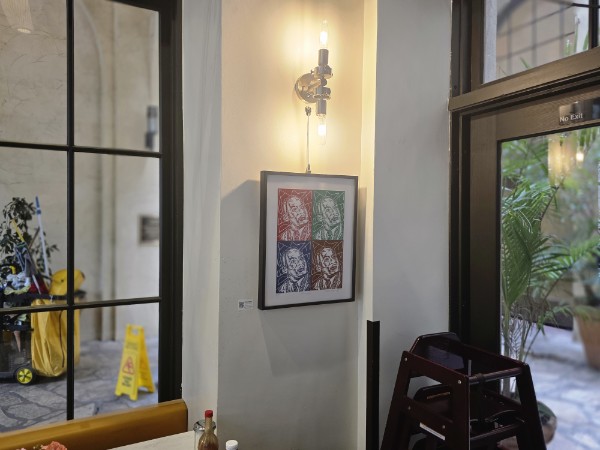
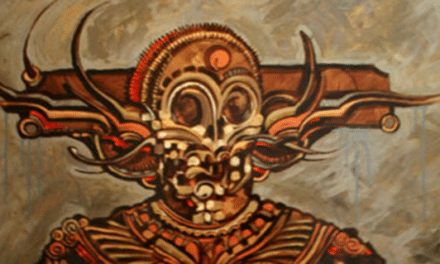
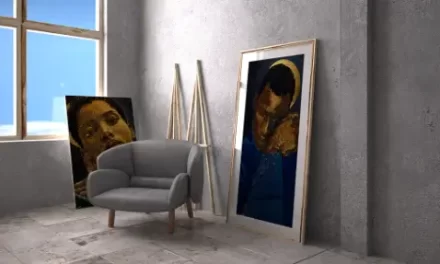
Most restaurants ask you to leave your day at the door. Delicious at The Dunbar asks something different — it asks you to arrive fully, to look around, to notice. Set at 4229 South Central Avenue inside the Historic Dunbar Hotel, the restaurant has become a living gallery under the curation of La Mancha Gallery. The walls are not decorated. They are curated. Every piece on view has been selected for its relationship to a theme, a community, a moment in time.
The menu — built around a Southern and Mexican fusion tradition — mirrors this intent. Fried catfish, collard greens, mac and cheese, and street tacos share a table the way cultures share a neighborhood: with comfort, with familiarity, and with the occasional surprise. The food is not incidental to the art experience. It is part of the same curatorial gesture. Both ask the same question: what does it feel like to belong somewhere?
For first-time visitors, QR codes near each work open a window into the artist's world — biography, edition details, purchase options — making the act of collecting feel as accessible as ordering from the menu. Staff serve as cultural ambassadors, trained not just in hospitality but in provenance. This is not a gallery that happens to serve food. It is an experience designed from the ground up to make art and dining inseparable.
A Living Gallery, Rotating Monthly
What separates Arts at Delicious at The Dunbar from a permanent installation is its intentional impermanence. La Mancha Gallery operates the program on a monthly rotation — each cycle introducing a new artist or ensemble of voices, each exhibition calibrated to the cultural moment. The result is a space that rewards return visits. What you saw last month has been replaced by something that did not exist in this form before.
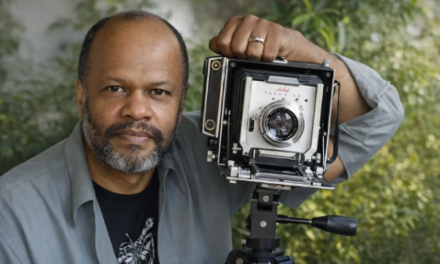
The inaugural exhibition featured the photography of Jimmy Velarde — a Twelve-Time Emmy Award winner and Grammy recipient whose 35mm and digital work spans music, street life, and cinematic storytelling. His images are grainy, emotive, and alive. They do not ask for your attention so much as quietly demand it. Larger works anchor the main walls. Smaller editions near the bar invite the kind of close, unhurried looking that most galleries rarely encourage.
The second cycle, Legacy on Central, expanded the program into a nine-artist group exhibition — Bart Ross, LPAE38, Nina Syii, Christen Austin, Jimmy Velarde, Mario Hernandez, Sam Pace, X. Darvi, and Skira Martinez — working across photography, painting, and mixed media. Rooted in the cultural memory of Central Avenue and anchored to Black History Month, the show demonstrated what the program is capable of at full scale: a conversation between disciplines, between generations, between the street and the studio.
Every work on view is available for purchase. Each piece includes a certificate of authenticity and professional framing. La Mancha Gallery has deliberately removed the traditional barriers of the white-cube gallery — the intimidation, the gatekeeping, the assumption that collecting is reserved for a certain kind of person. Here, the first step toward becoming a patron is simply showing up for dinner.
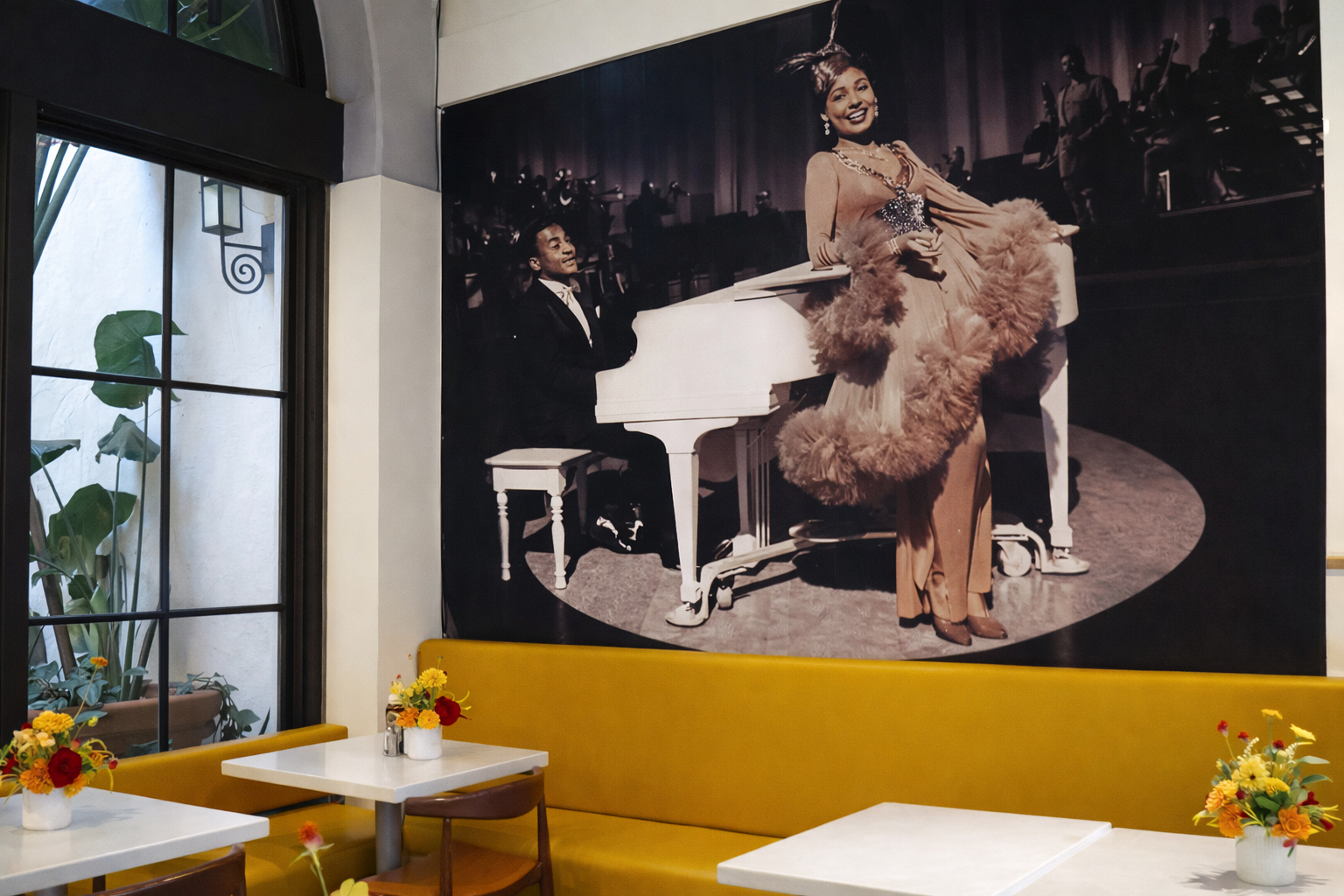
Jazz Legacy: A Rhythm That Never Left
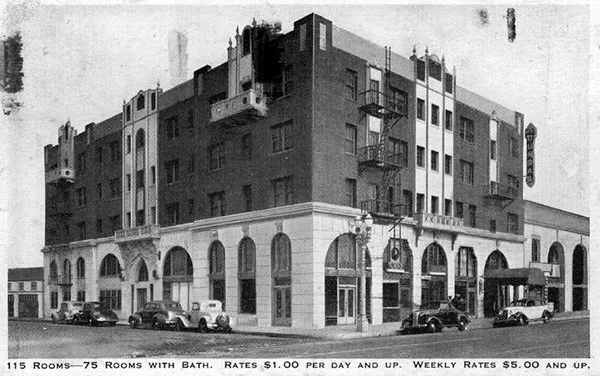
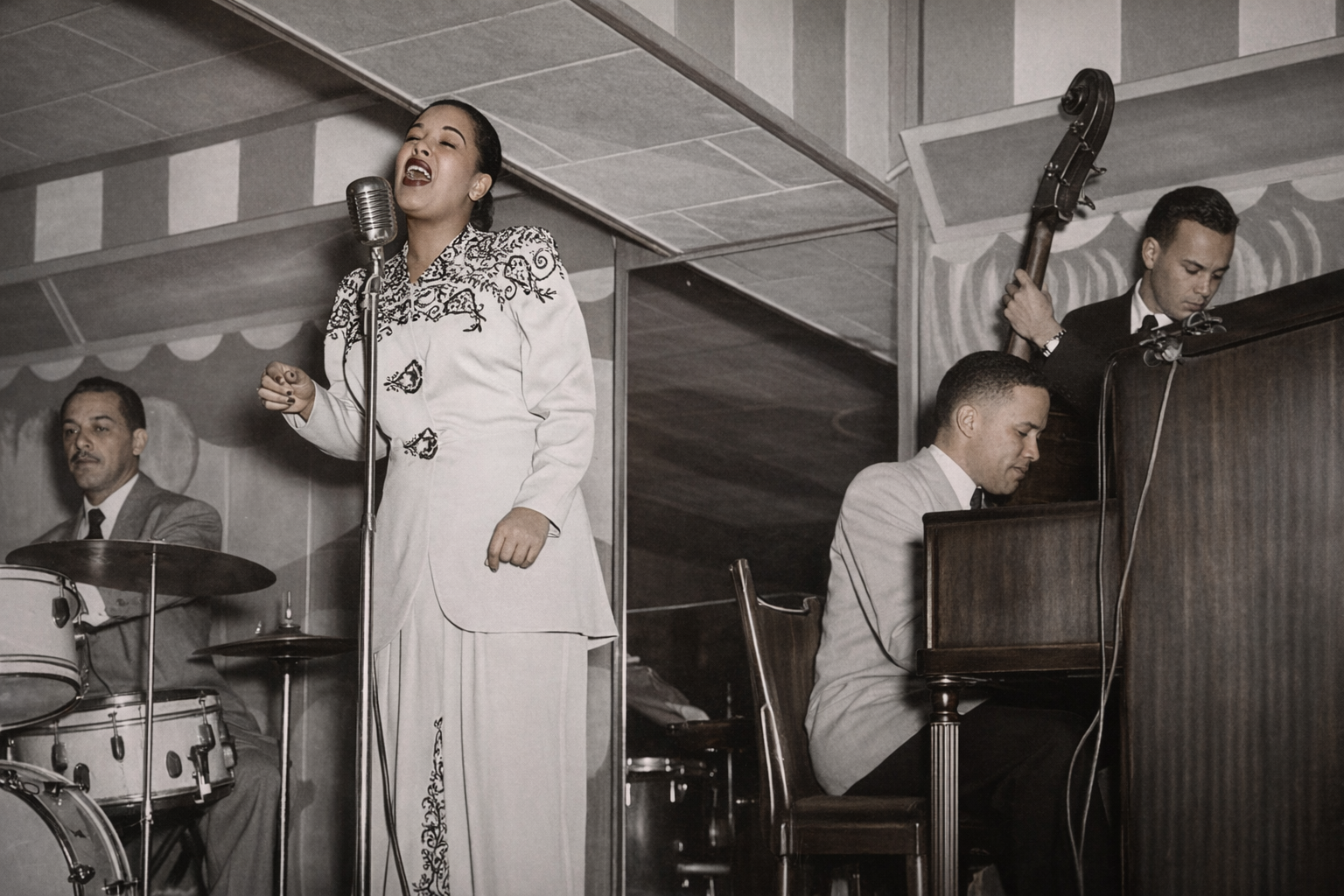
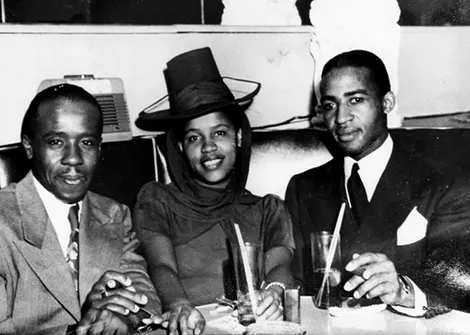
The Dunbar Hotel opened in 1928 as the Hotel Somerville — the first Class A hotel in Los Angeles built for and by Black Angelenos. It hosted the first West Coast NAACP convention. It became the beating heart of the Central Avenue jazz scene during the years when segregation made it the only place in the city where the greatest artists of the era could stay, perform, and be themselves. Duke Ellington, Billie Holiday, Louis Armstrong, Count Basie, Lena Horne — they did not simply pass through. They belonged here.
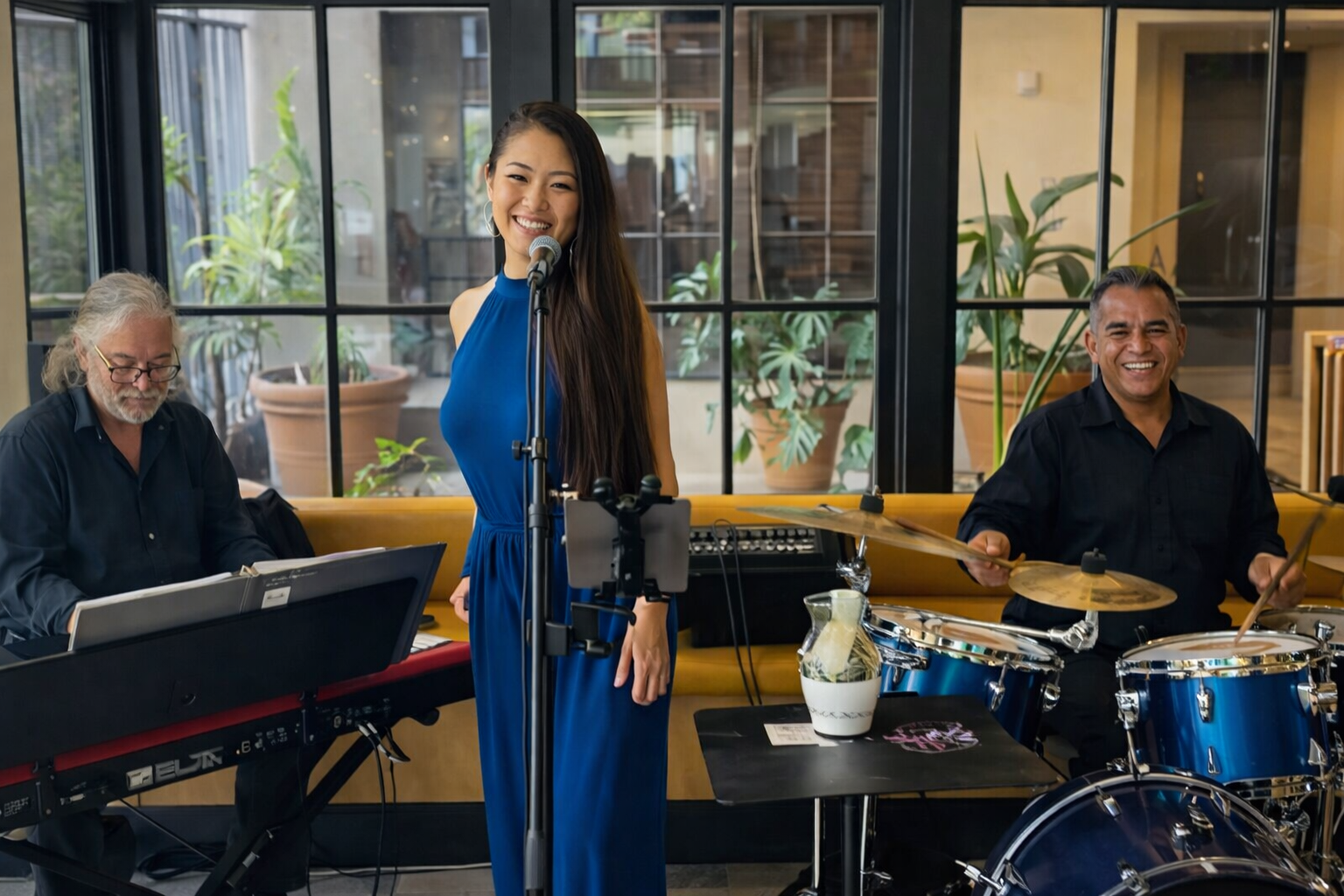
That history does not sit behind glass at the Dunbar. It breathes. Every Sunday, live jazz fills the dining room of Delicious at The Dunbar — courtesy of the Mateo Arce Trio — continuing a tradition that the building itself seems to remember. The music and the art on the walls are not separate programs. They are the same conversation, conducted in two languages simultaneously. The Central Avenue Jazz Festival brings thousands of visitors to this corridor each year, many of whom stop at the Dunbar to find that the festival's spirit lives here every week.
"The music and the art are not separate programs. They are the same conversation, conducted in two languages simultaneously."
Each month's featured artist adds a visual voice to that sonic legacy — connecting jazz's emotional architecture to the work of living painters, photographers, and mixed-media makers. This is not tribute. It is continuity.
Community, Pride, and the Case for Accessible Art
Fine art has a gatekeeping problem. It has always had one. The assumption that certain spaces, certain price points, and certain vocabularies belong only to certain people has kept entire communities at a distance from their own cultural production. Arts at Delicious at The Dunbar was built as a direct answer to that assumption. Exhibitions are free to view for all diners. Sunday brunch is a family affair. The art on the walls is not above the room — it is part of it.
La Mancha Gallery has received recognition from the City of Los Angeles, Pasadena, and Glendale for its contributions to public art and community engagement. These are not ceremonial acknowledgments. They reflect a curatorial practice built over two decades on a single conviction: that art is most powerful when it meets people where they already are. The Agile framework that informs La Mancha's exhibition planning — iterative, responsive, community-centered — is not incidental to this mission. It is how the mission gets executed. Each exhibition cycle is a sprint. Each artist selection is a decision made in response to what the community needs to see.
The results are visible in the room. Full tables. Animated conversation. Young people encountering a painting for the first time and lingering over it. Families who return month after month because something changed and they want to see what's new. This is what civic pride looks like when it has somewhere to go.
Plan Your Visit
| Address | 4229 S. Central Avenue, Los Angeles, CA 90011 — inside the Historic Dunbar Hotel |
| Hours | Mon, Wed, Thu 10am–9pm · Fri–Sat 10am–10pm · Sun 10am–7pm · Closed Tuesdays |
| Live Jazz | Every Sunday — the Mateo Arce Trio performs live in the dining room |
| Reservations | Encouraged for dinner and Sunday jazz brunch — visit deliciousatthedunbar.com |
| Accessibility | Wheelchair accessible · Private parking in rear · Street parking available · Public transit friendly |
| Artwork Inquiries | lamancha.events@pm.me |
In a city that moves fast and forgets faster, Arts at Delicious at The Dunbar insists on remembering. It insists on the slow meal, the unhurried look, the conversation that starts in front of a painting and ends somewhere unexpected. The Dunbar has always been a place where belonging was not negotiated but assumed. That is still what it offers. Come for the food. Stay for the art. Leave knowing something you did not know before.
— Published by La Mancha Gallery, Los Angeles