About La Mancha Gallery
Founded in 2006 and based on Central Avenue in Los Angeles, La Mancha Gallery operates as an independent curatorial practice dedicated to presenting the work of Latino, Chicano, and international artists through the Alternative Venue Exhibition Model — a curatorial framework that brings fine art programming into non-traditional spaces: festivals, hotels, restaurants, embassies, community centers, and civic institutions.
Rather than confining the visual arts to the white cube, La Mancha Gallery believes that art belongs wherever culture gathers. By embedding exhibitions within events and spaces that already hold deep community meaning, the gallery extends the reach of serious fine art practice to broader and more diverse audiences — dissolving the boundaries between institutional culture and lived experience.
The 8th Annual Indio International Hispanic Film Festival represented an early and significant expression of this model: a fine arts exhibition presented not in a gallery, but at the heart of a celebrated regional cultural event, in dialogue with film, music, food, and community.
On the Exhibition
"Art washes away from the soul the dust of everyday life."
— Pablo PicassoIt is precisely this conviction that animated La Mancha Gallery's inaugural collaboration with the 8th Annual Indio International Hispanic Film Festival — a gathering that brought together moving image, live performance, culinary heritage, and the visual arts under a shared cultural imperative.
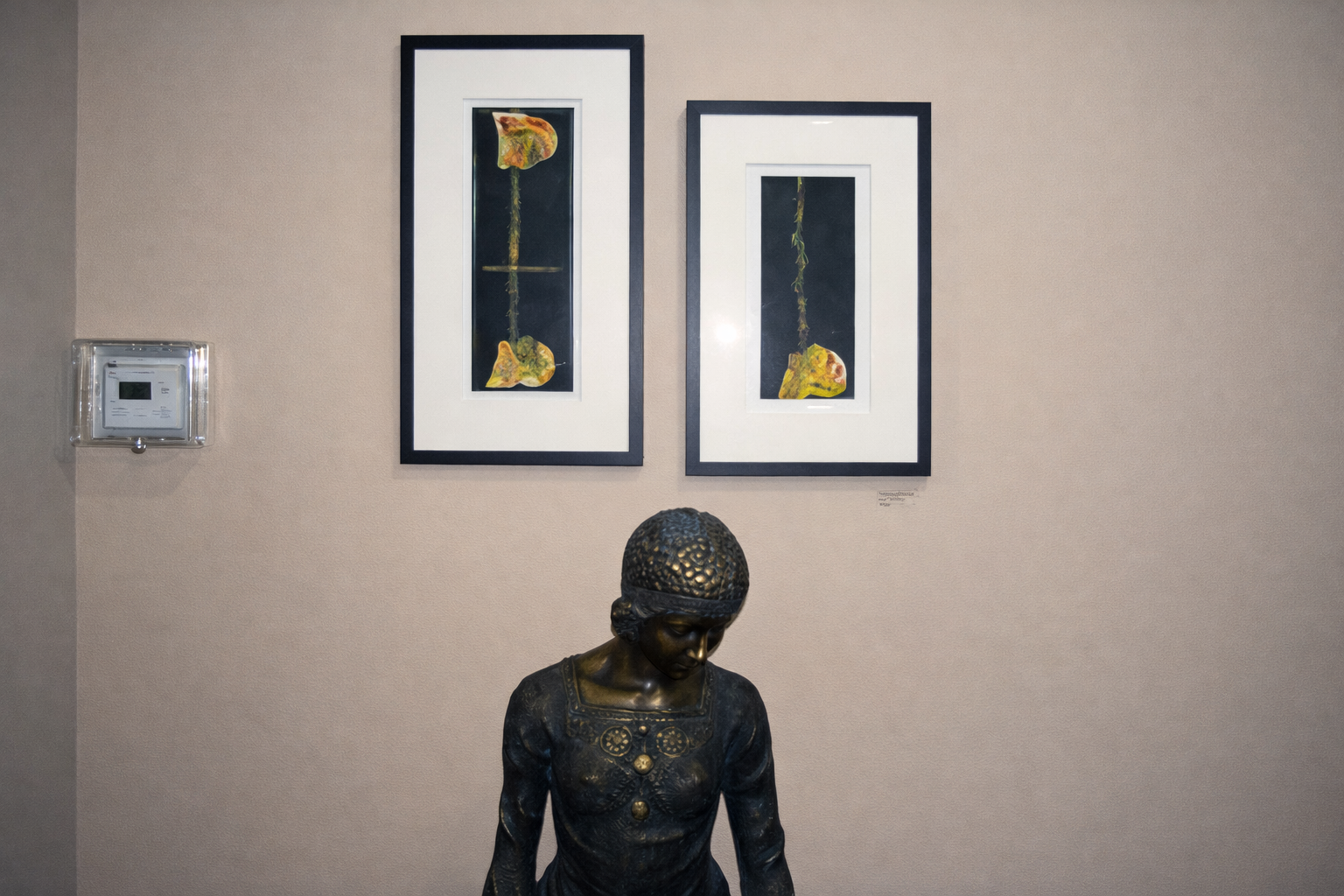
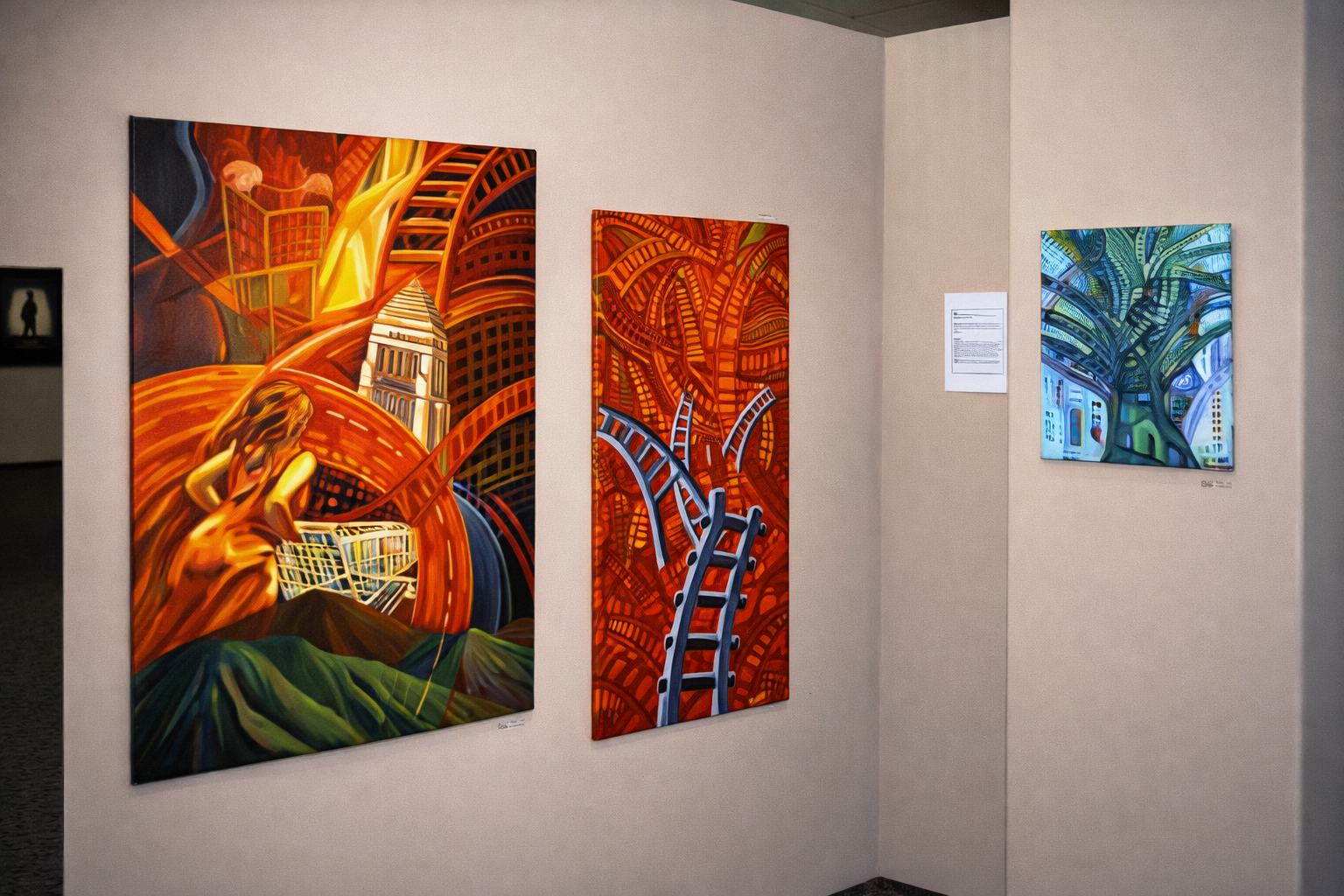
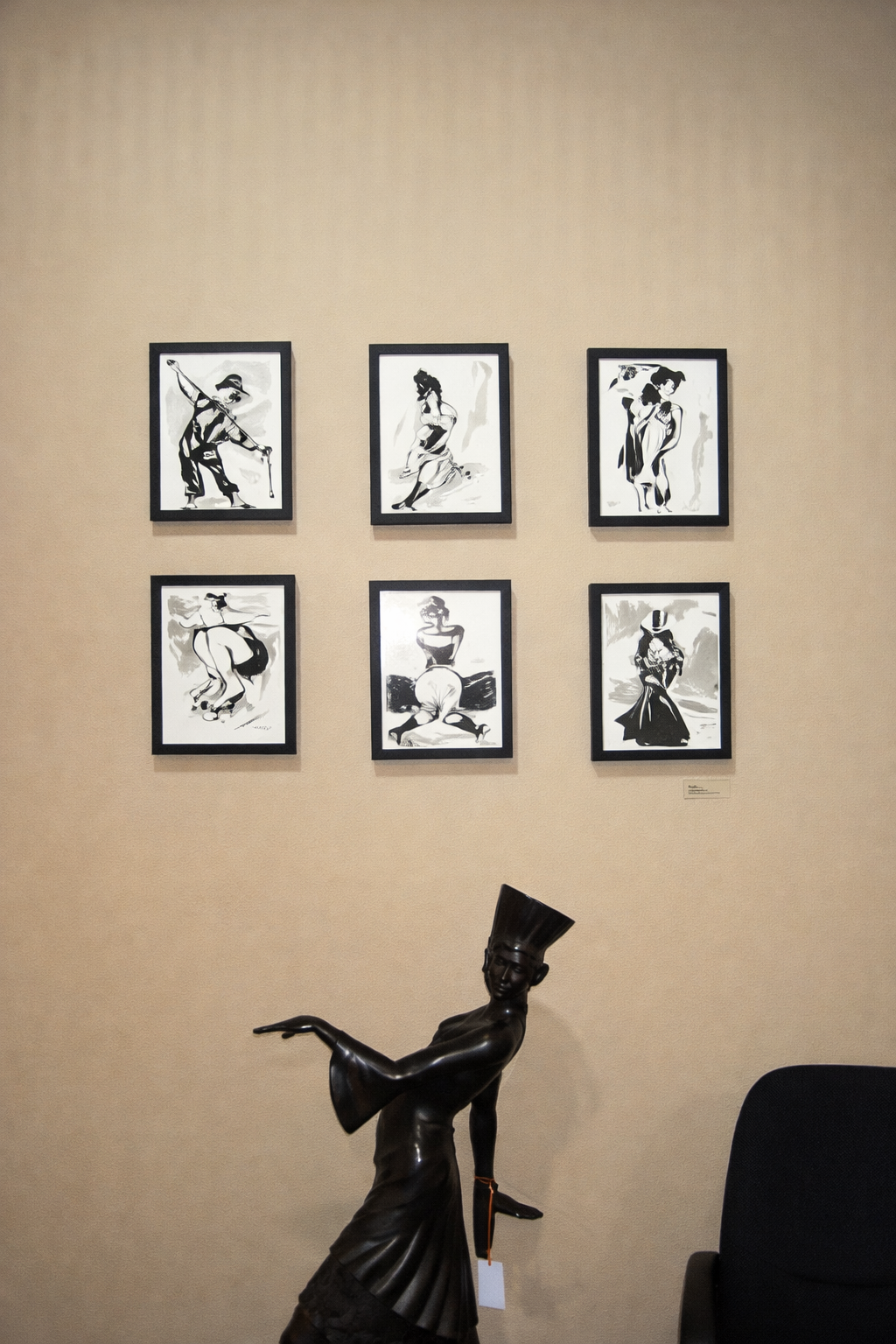
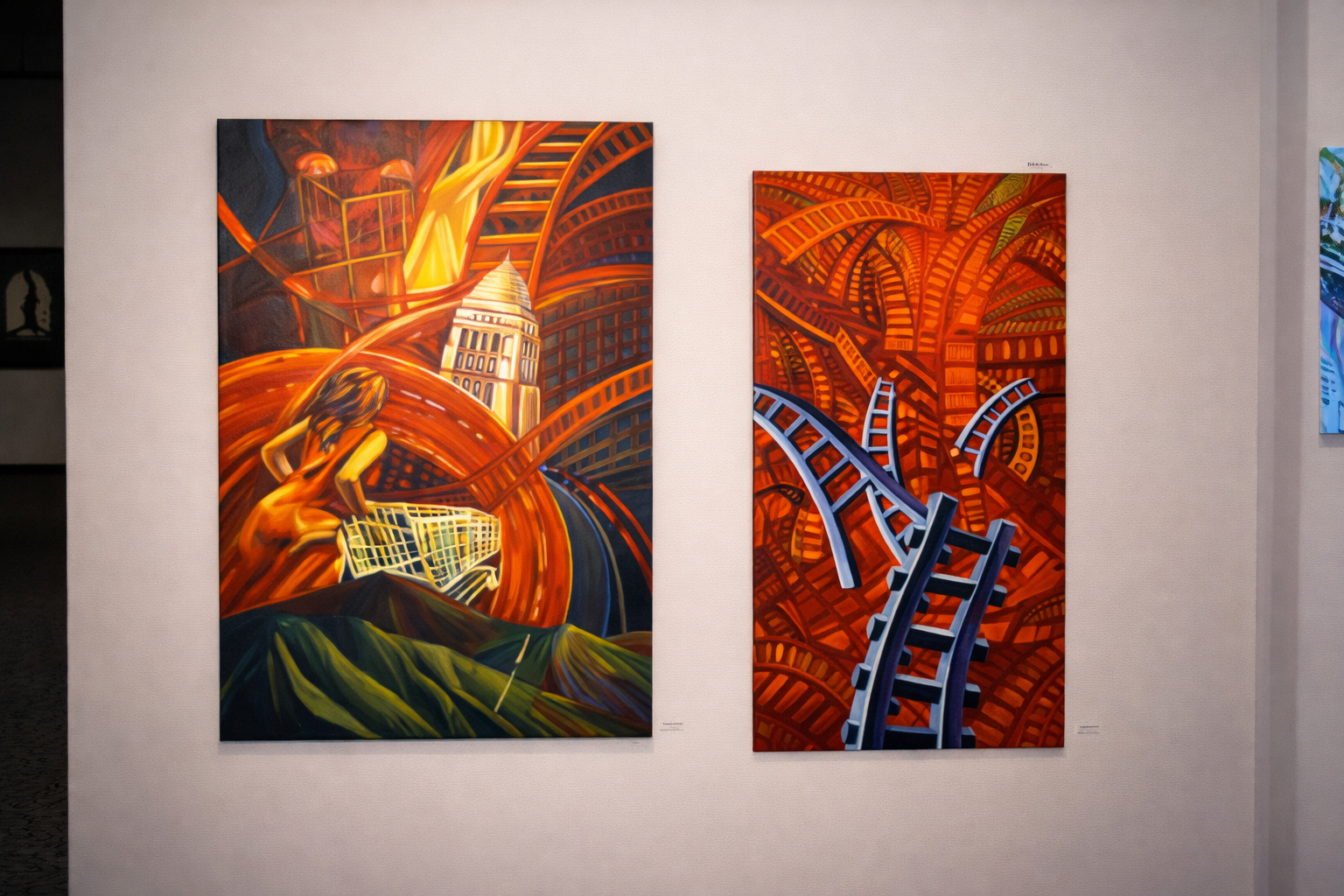
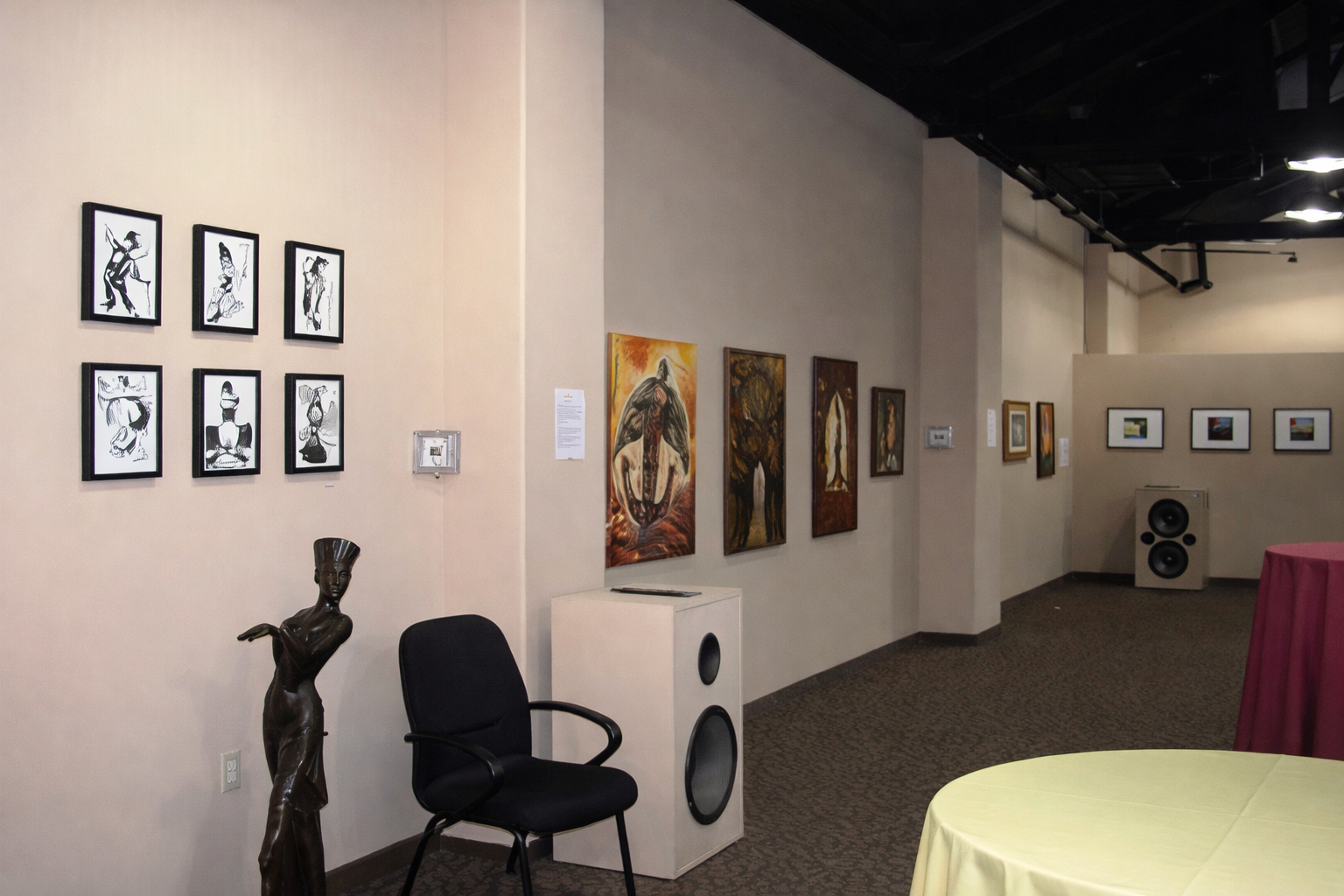
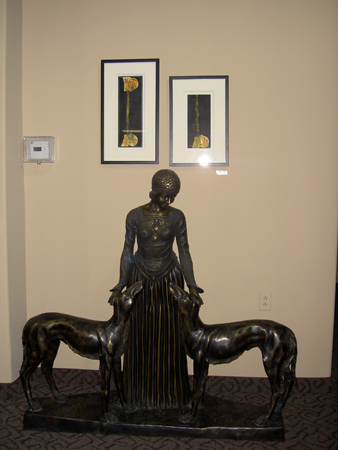
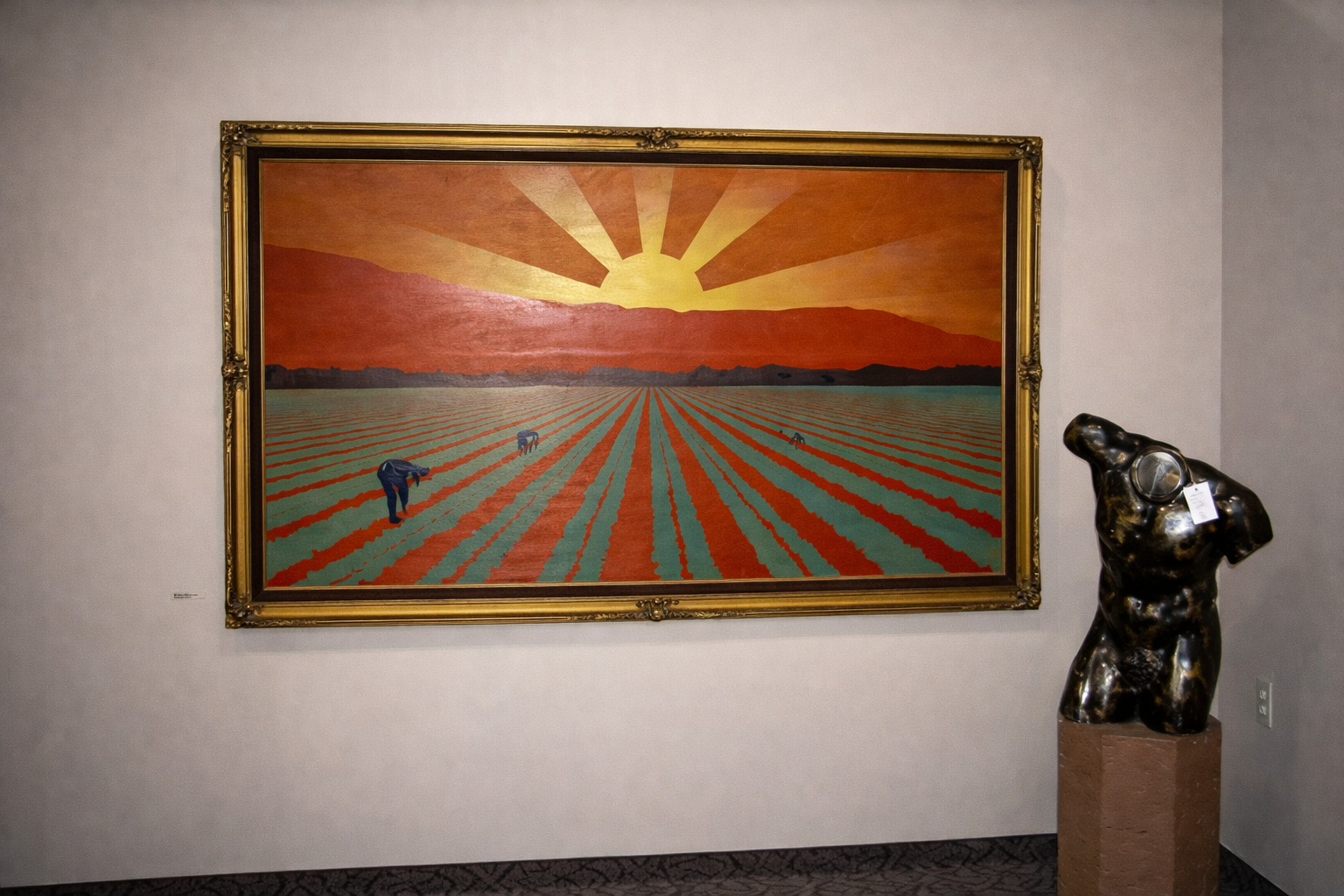
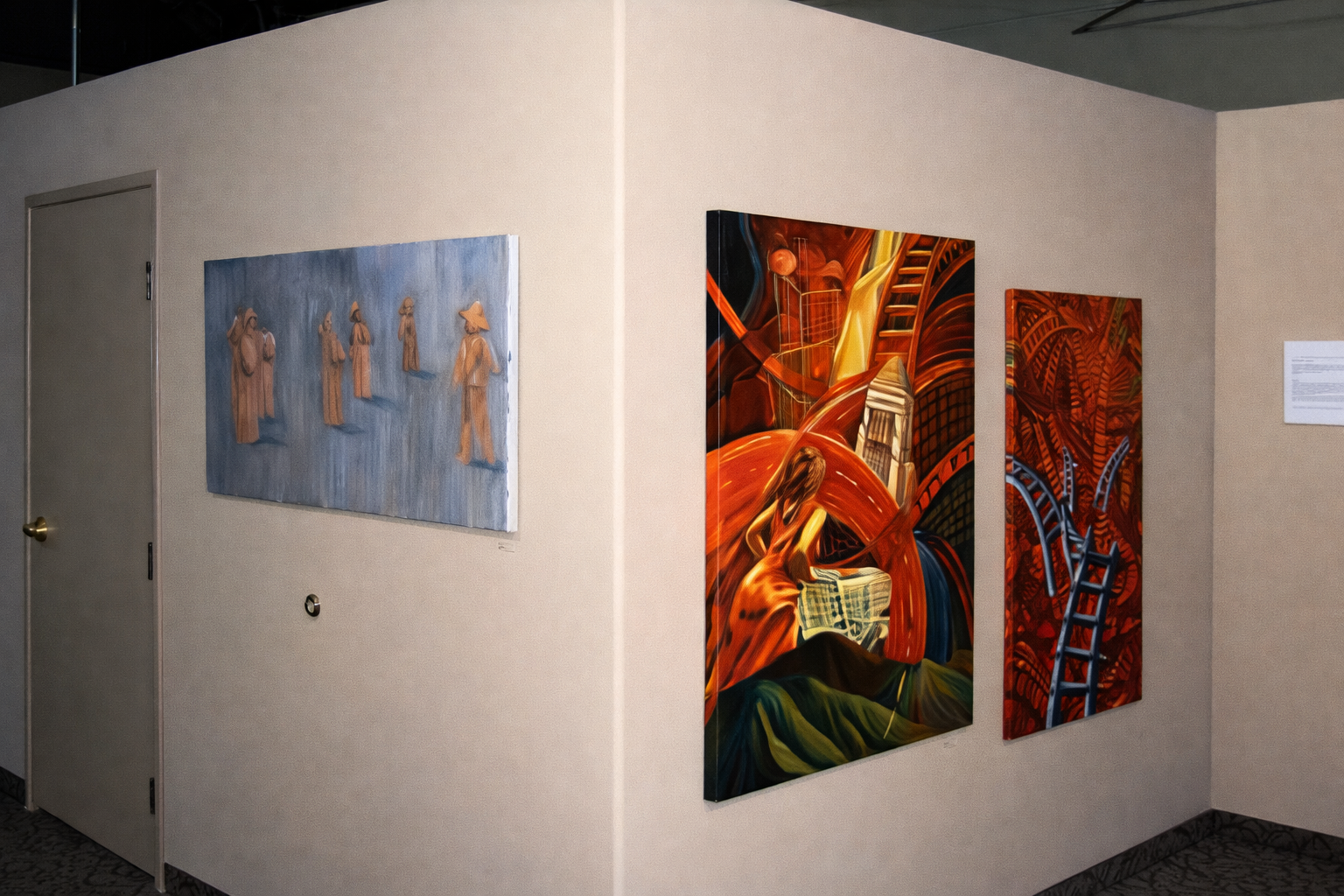
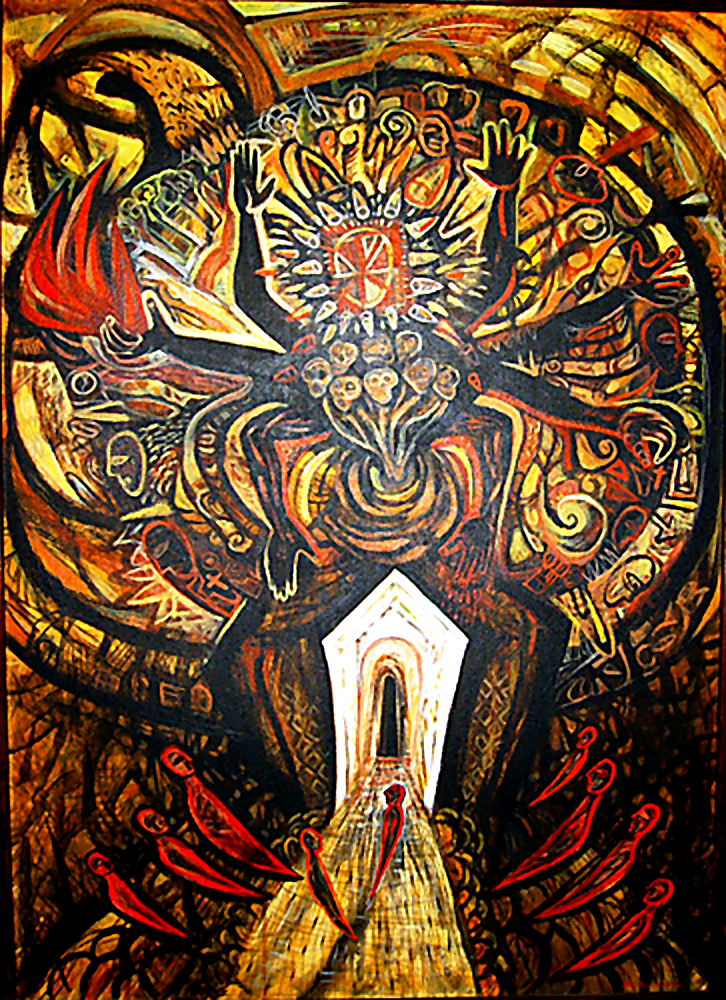
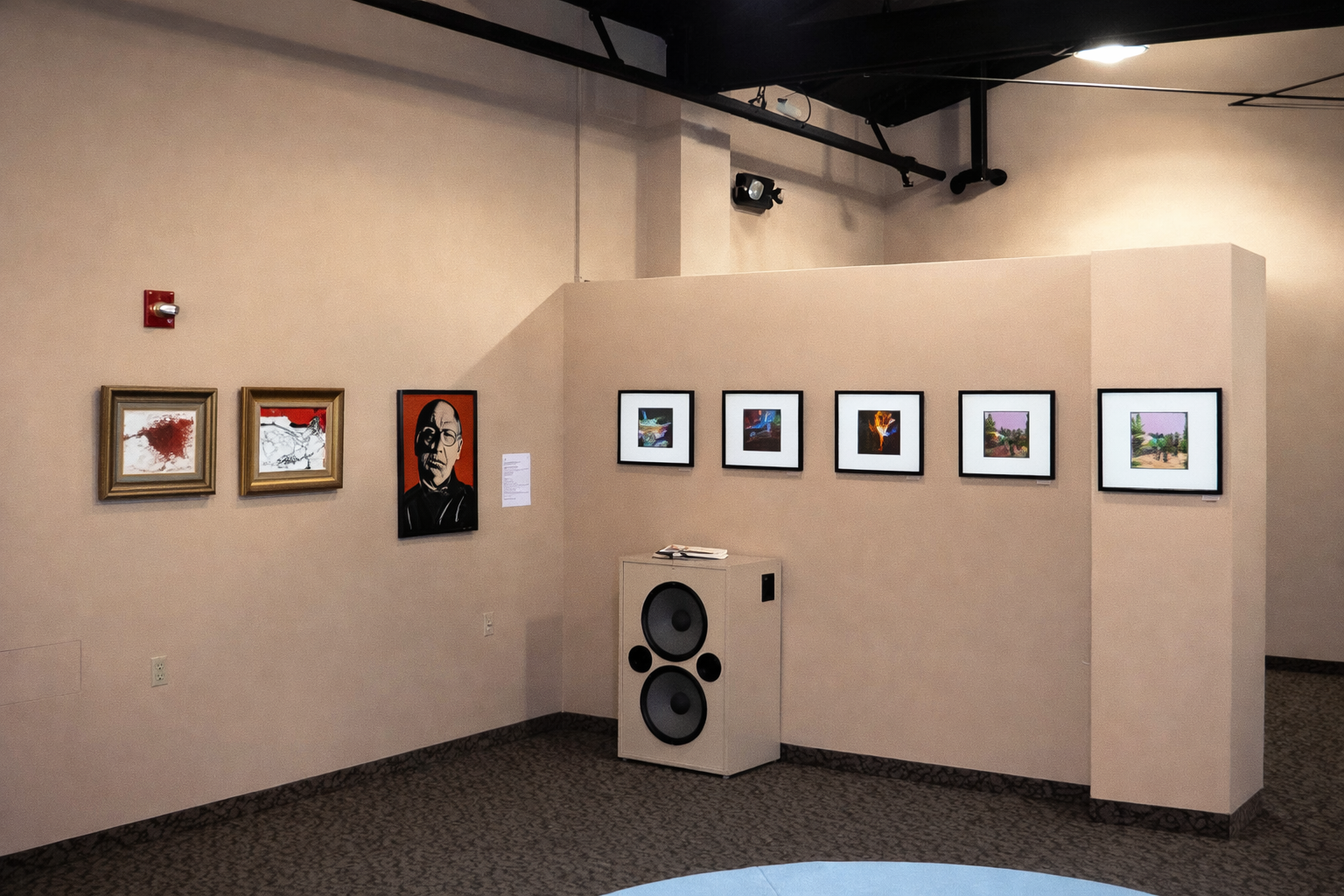
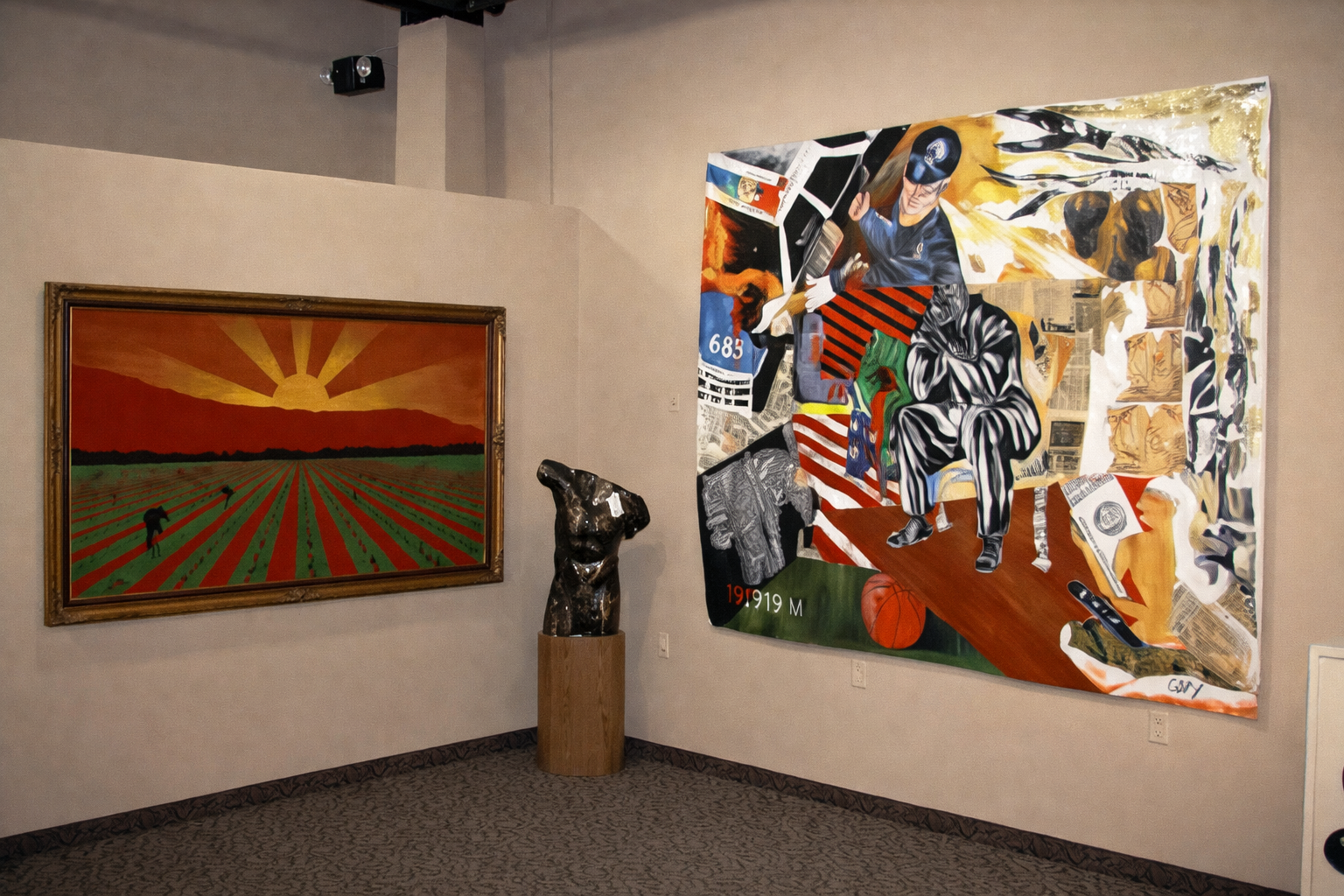
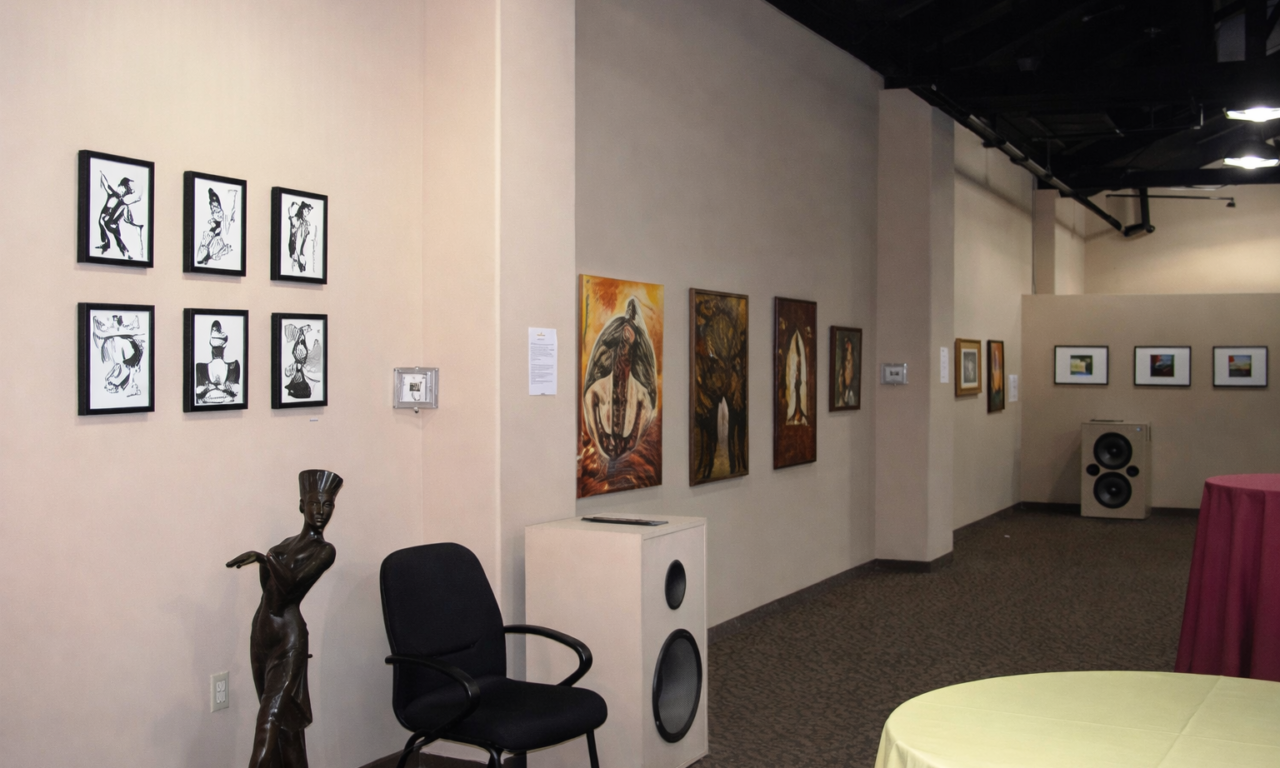
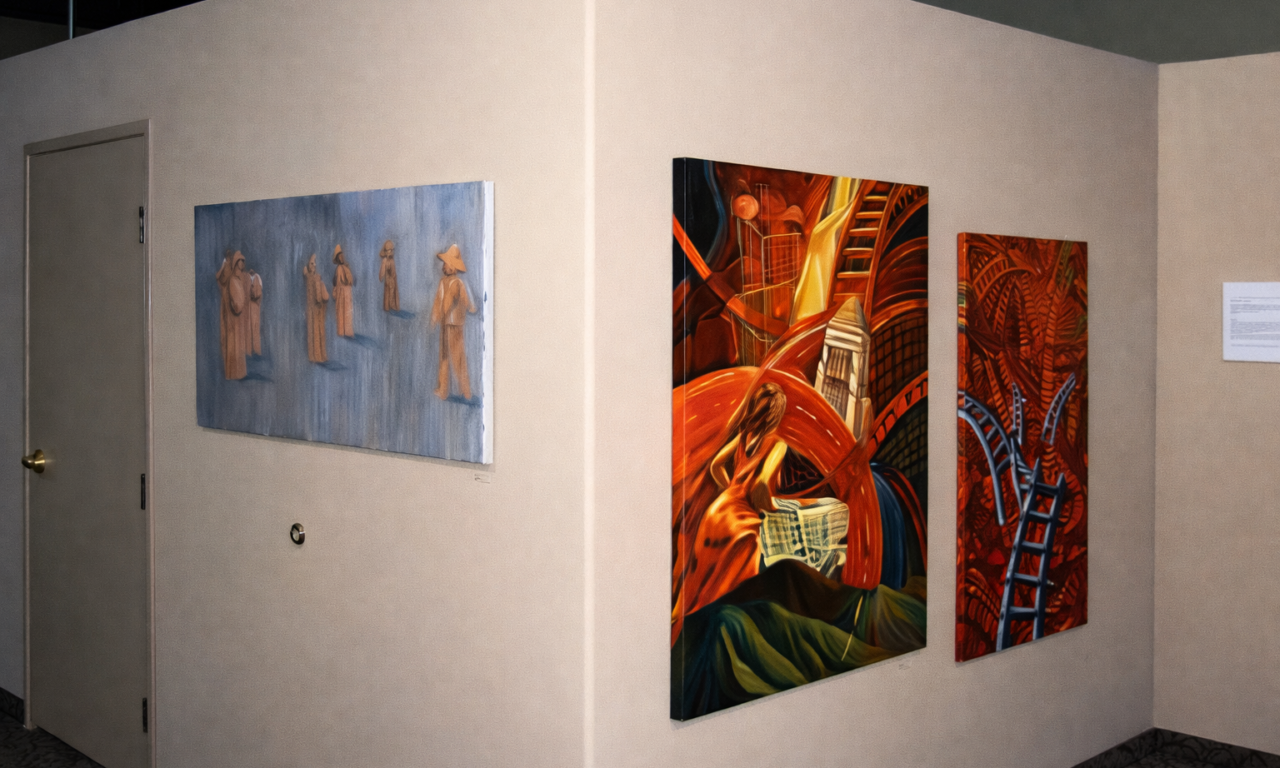
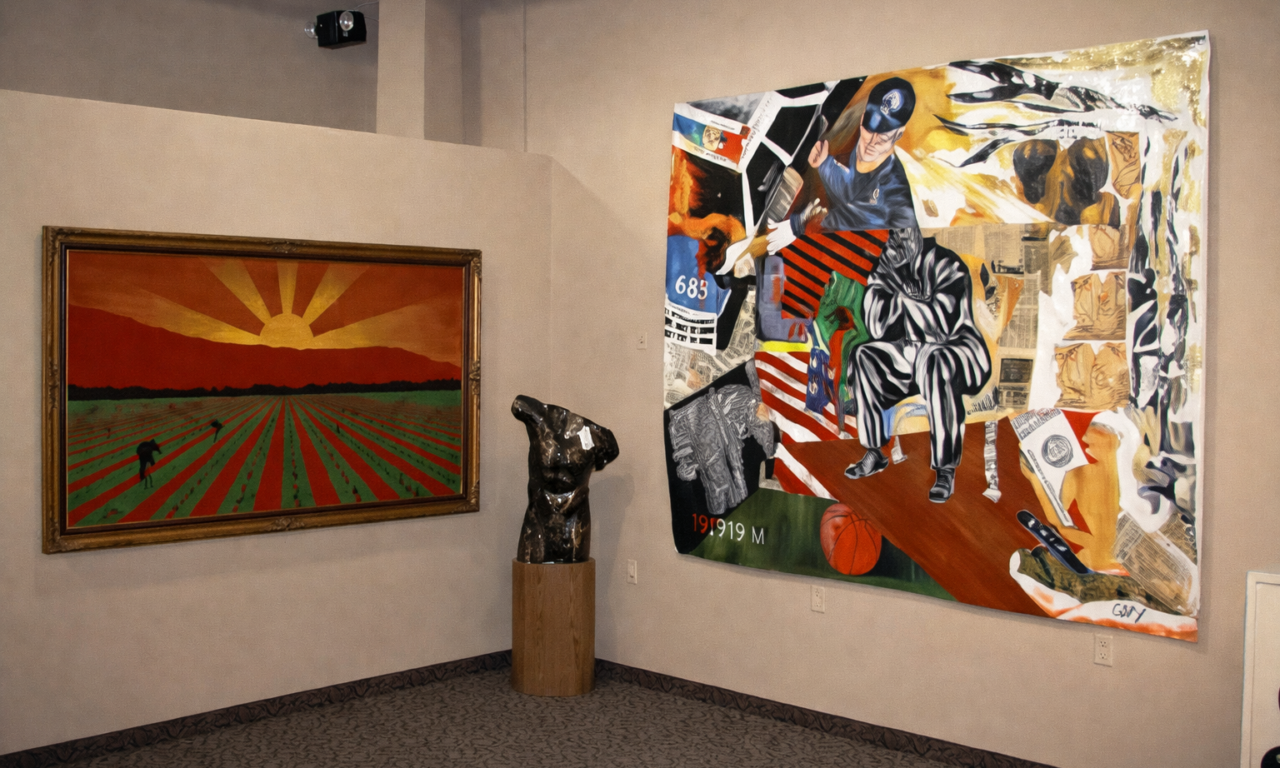
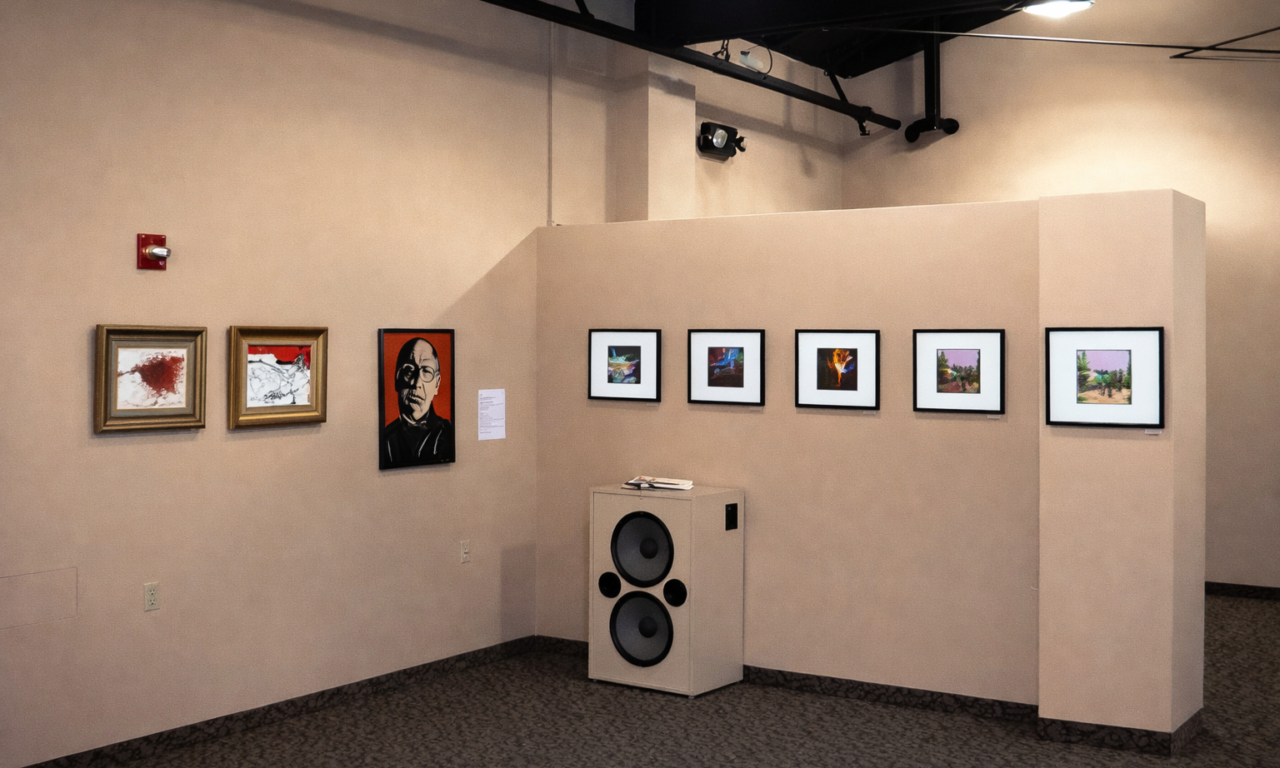
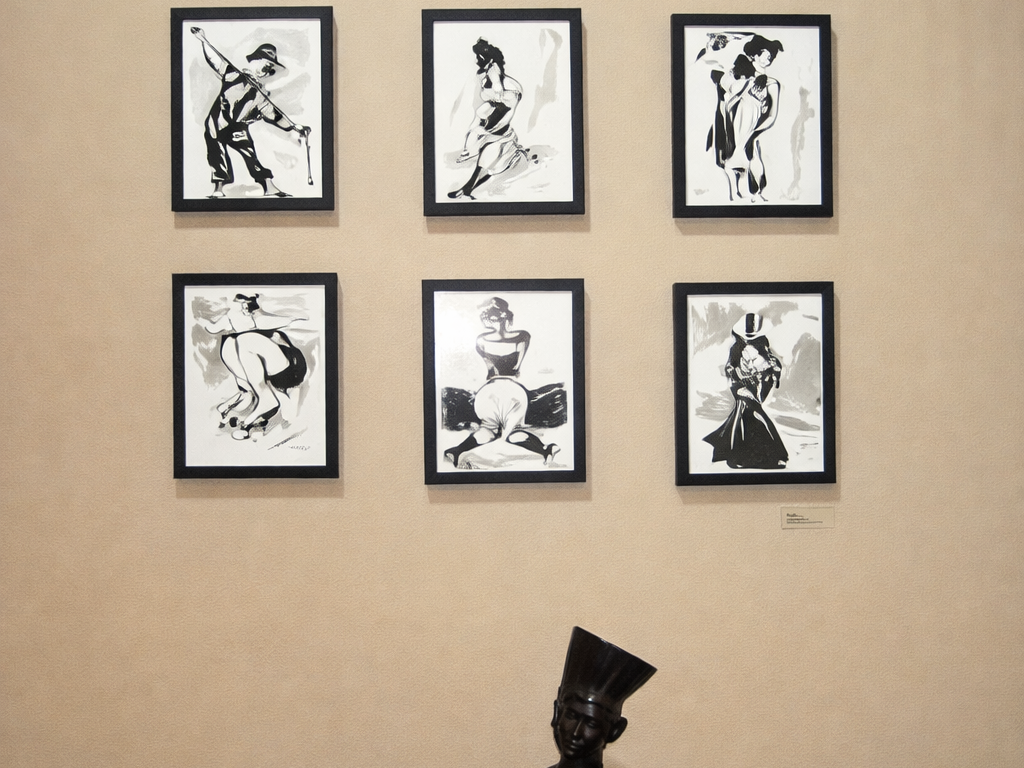
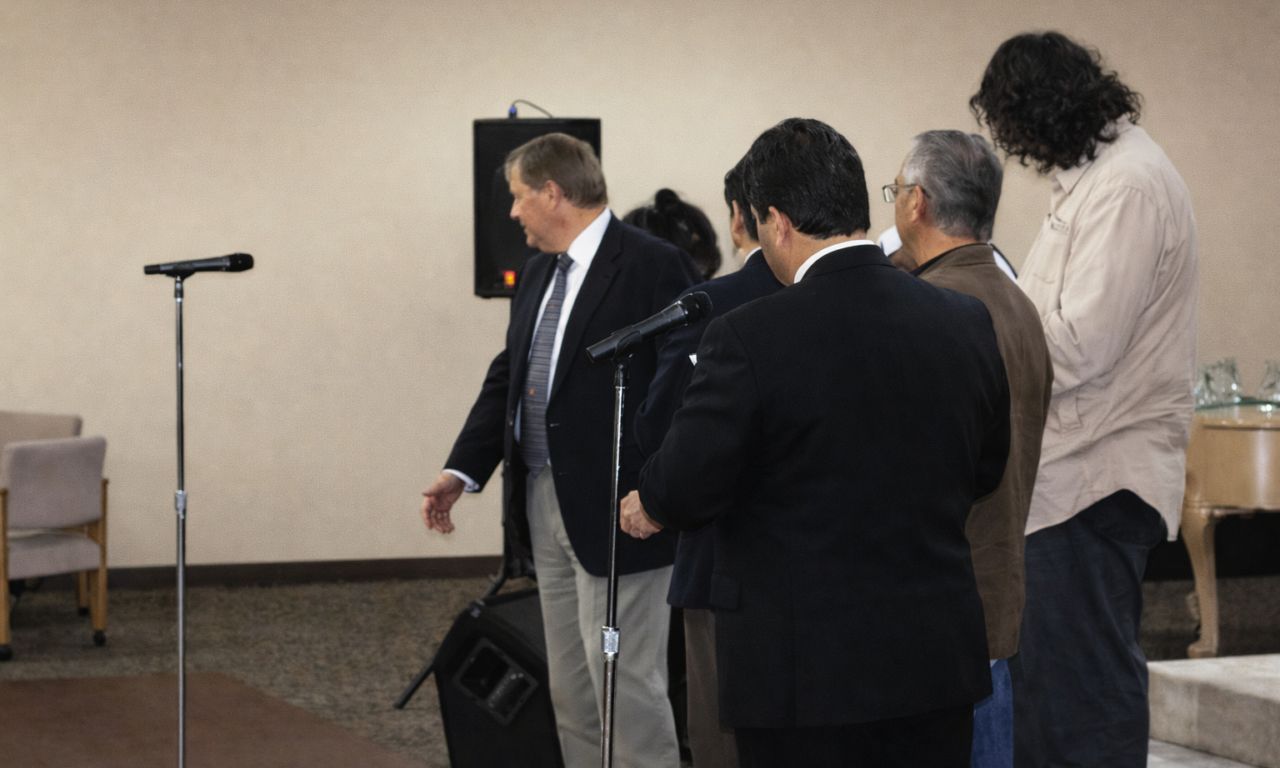
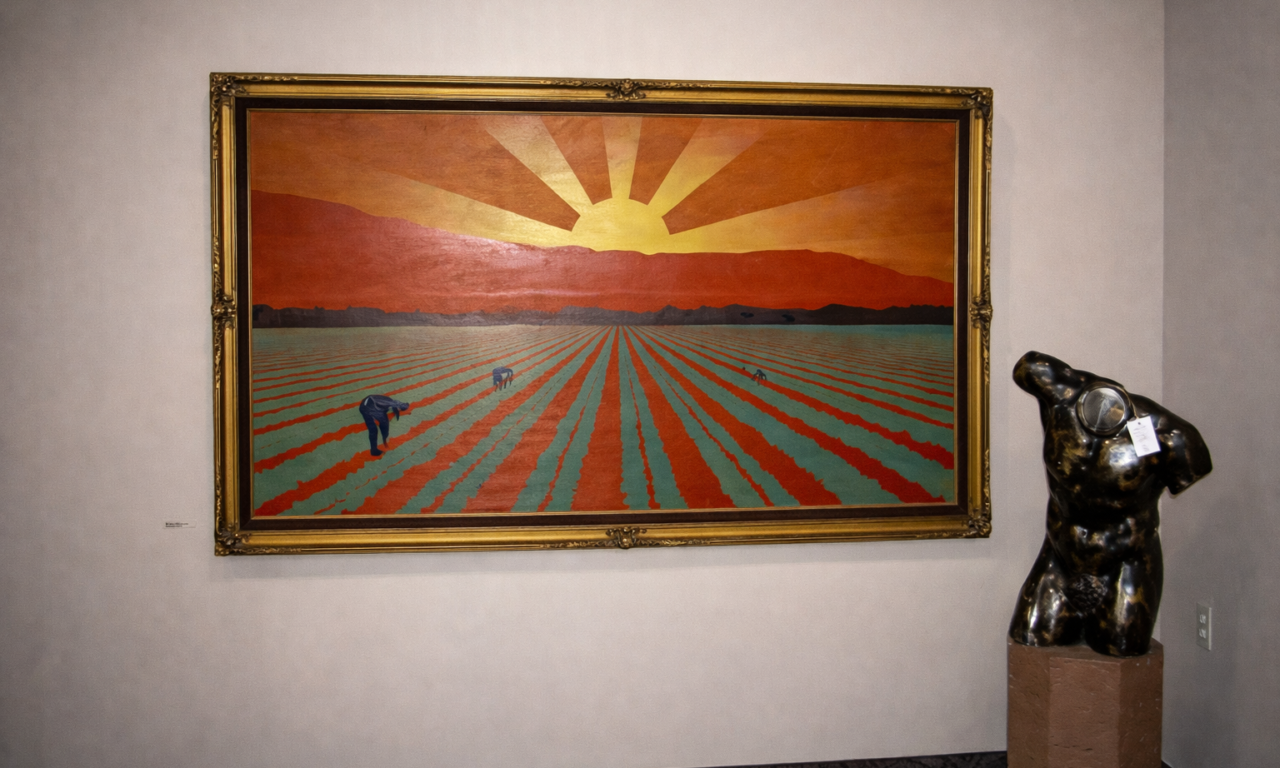
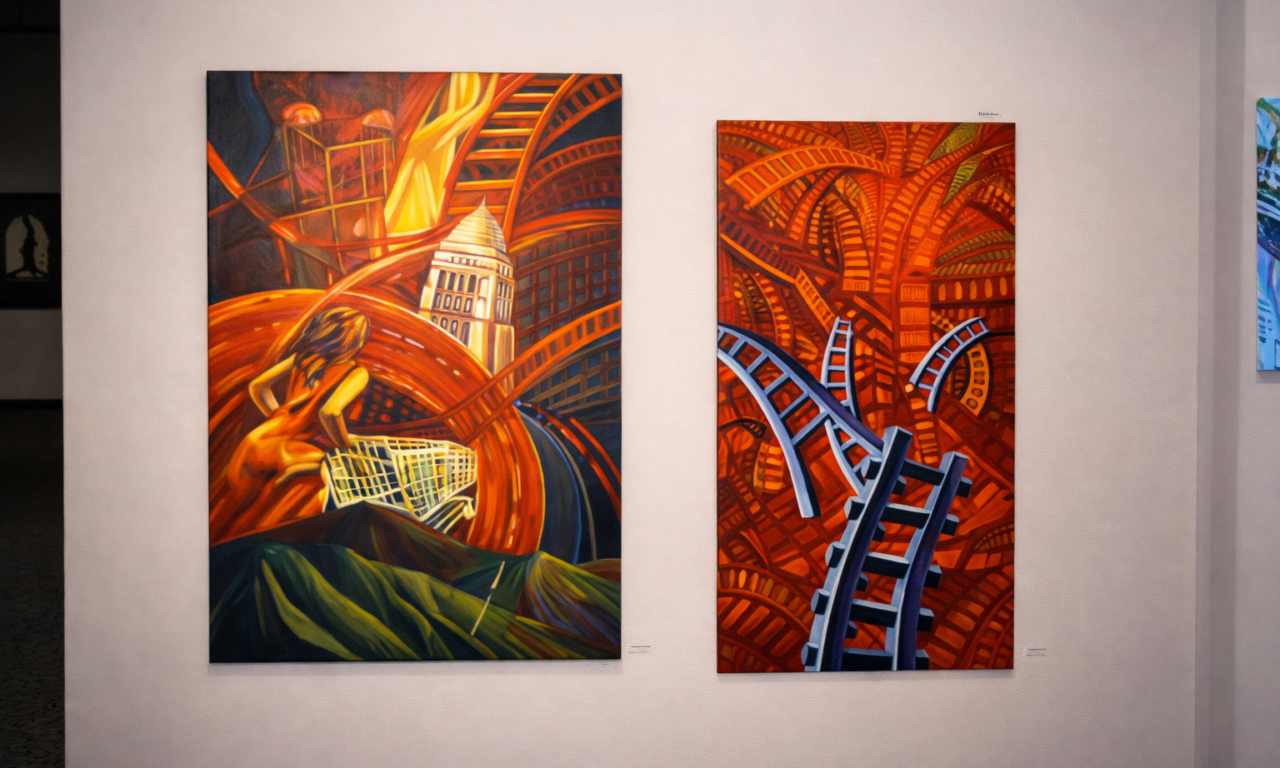
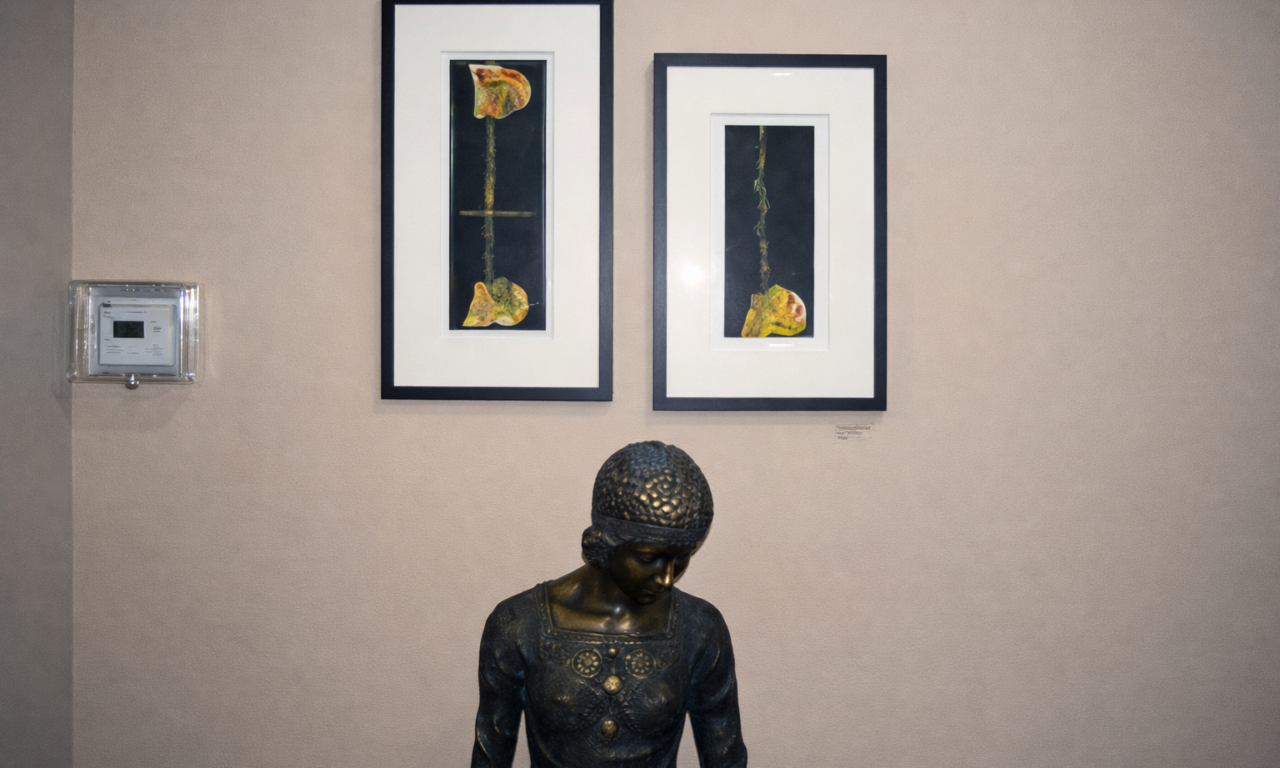
Presented at the Indio Performing Arts Center across four days in February 2008, the visual arts exhibition curated by La Mancha Gallery served as the festival's primary fine arts program. Guest curator Omar Holguin personally selected eleven world-renowned Latino artists whose works — spanning painting, photography, drawing, printmaking, and mixed-media sculpture — were installed in a dynamic, multi-format presentation throughout the venue space.
The exhibition drew from a rich and geographically expansive roster: artists of Mexican, Central and South American, and U.S. Latino and Chicano heritage, whose practices collectively examined identity, memory, cultural resilience, and the complexities of the Latino experience across generations and borders. Presented alongside award-winning cinema, live Mariachi performance, and regional culinary traditions, the works were not isolated objects but active participants in a larger cultural conversation — each piece an affirmation that the visual arts and the humanities are inseparable.
A Landmark Engagement
in the Coachella Valley
The Festival Program
The 8th Annual Indio International Hispanic Film Festival was a multi-disciplinary cultural event celebrating Hispanic arts, cinema, and community in the Coachella Valley. The festival's visual arts program, organized by La Mancha Gallery, complemented the cinematic programming with an exhibition that extended the festival's thematic reach into the realm of fine art.
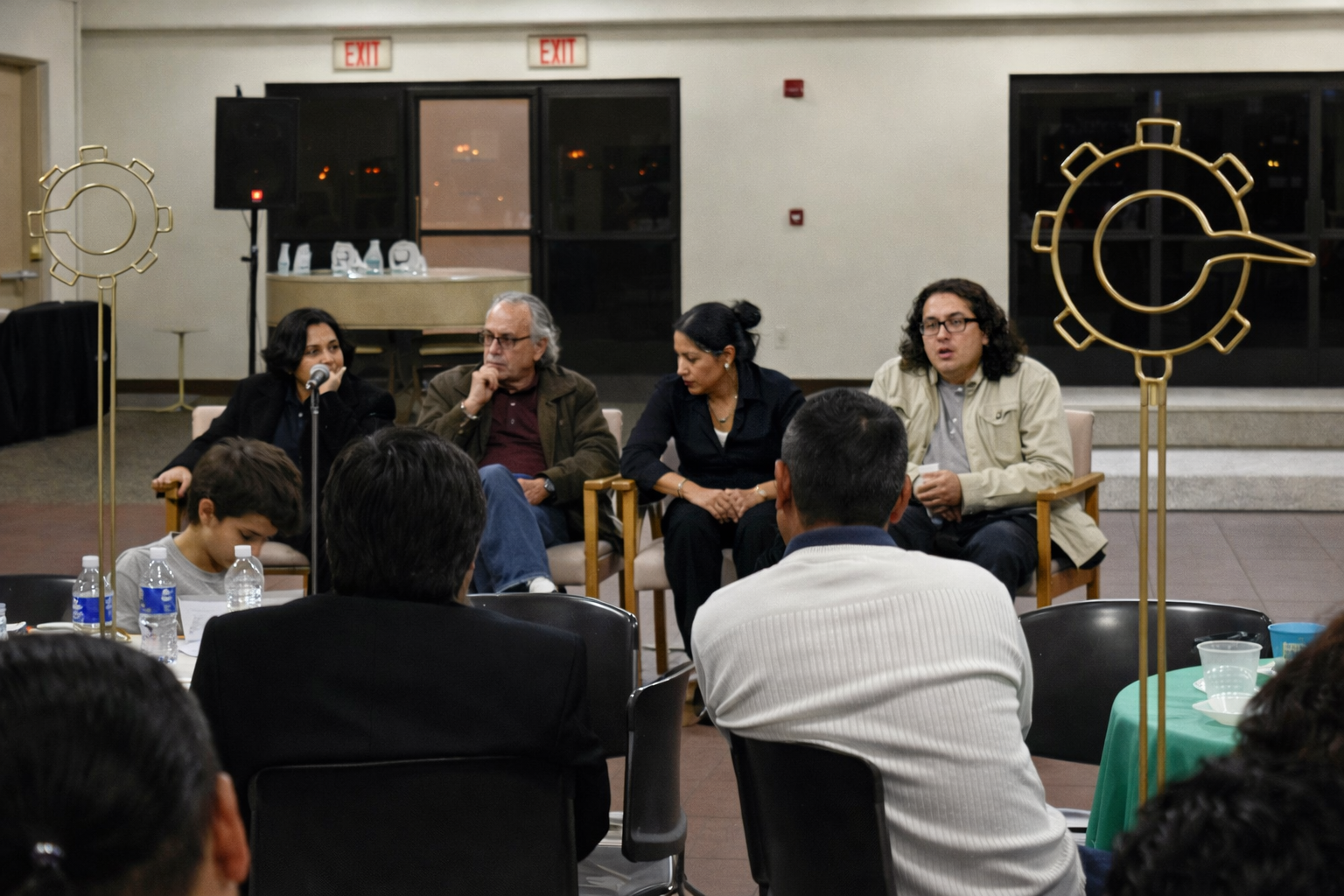
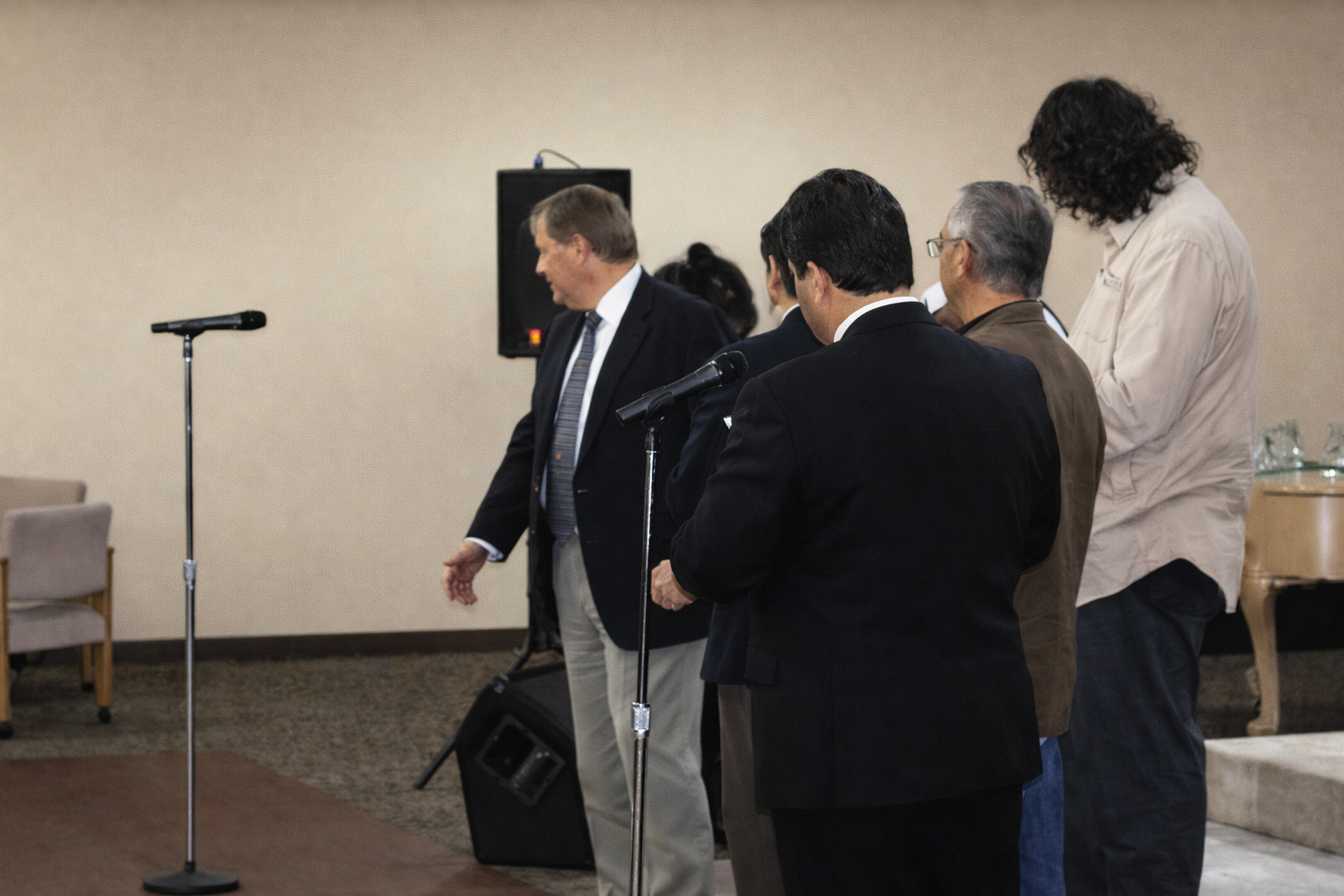
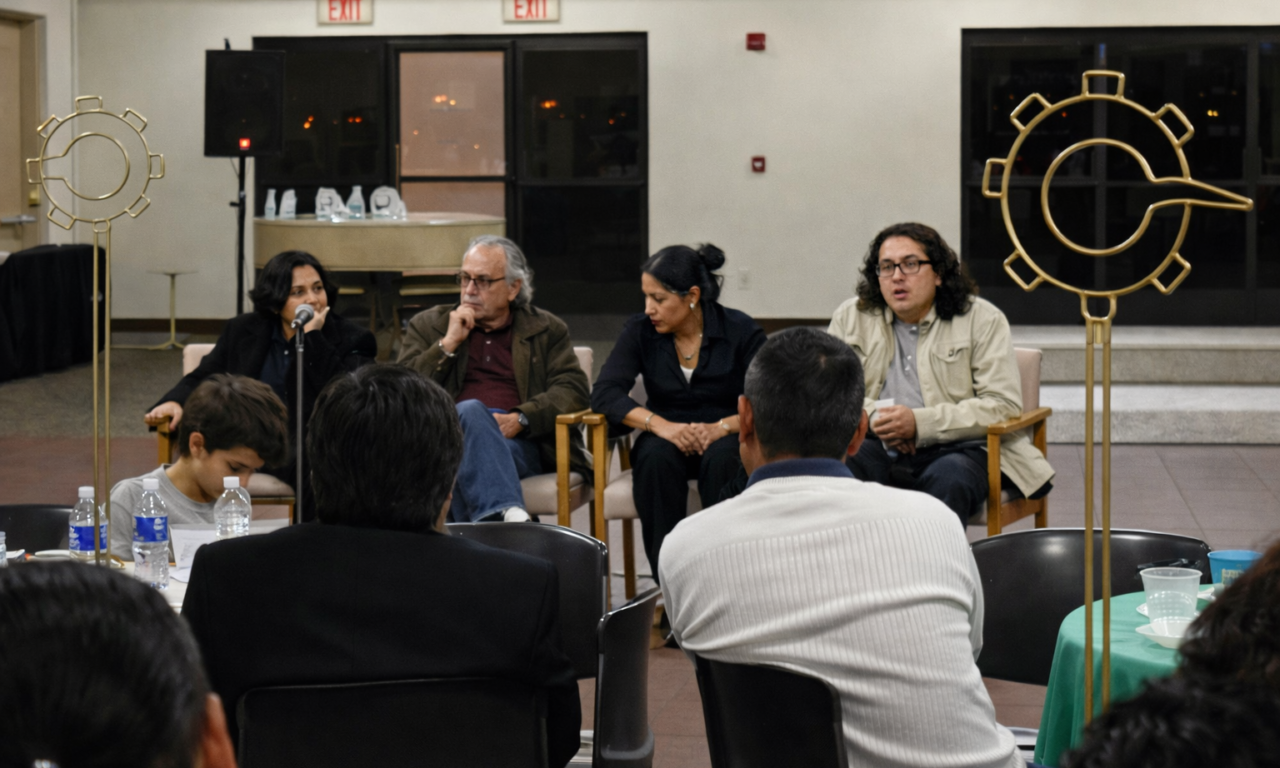
The festival opened on the evening of February 21st with the music of Mariachi "Aguilillas," directed by Camilo Murillo, and a screening of the award-winning Mexican film Erendira Ikikunari — a visually striking action film recreating the 16th-century legend of Erendira, a young Purépecha woman who became a symbol of indigenous resistance against the Spanish conquest. Shot entirely in the original Purépecha language and nominated to represent Mexico at both the Academy Awards and the Goya Awards, the film was attended by Writer/Director Juan Mora Catlett, Producer Mariana Lizarraga, and Editor Carlos Rodrigo Montes de Oca Rojo, who participated in a post-screening discussion.
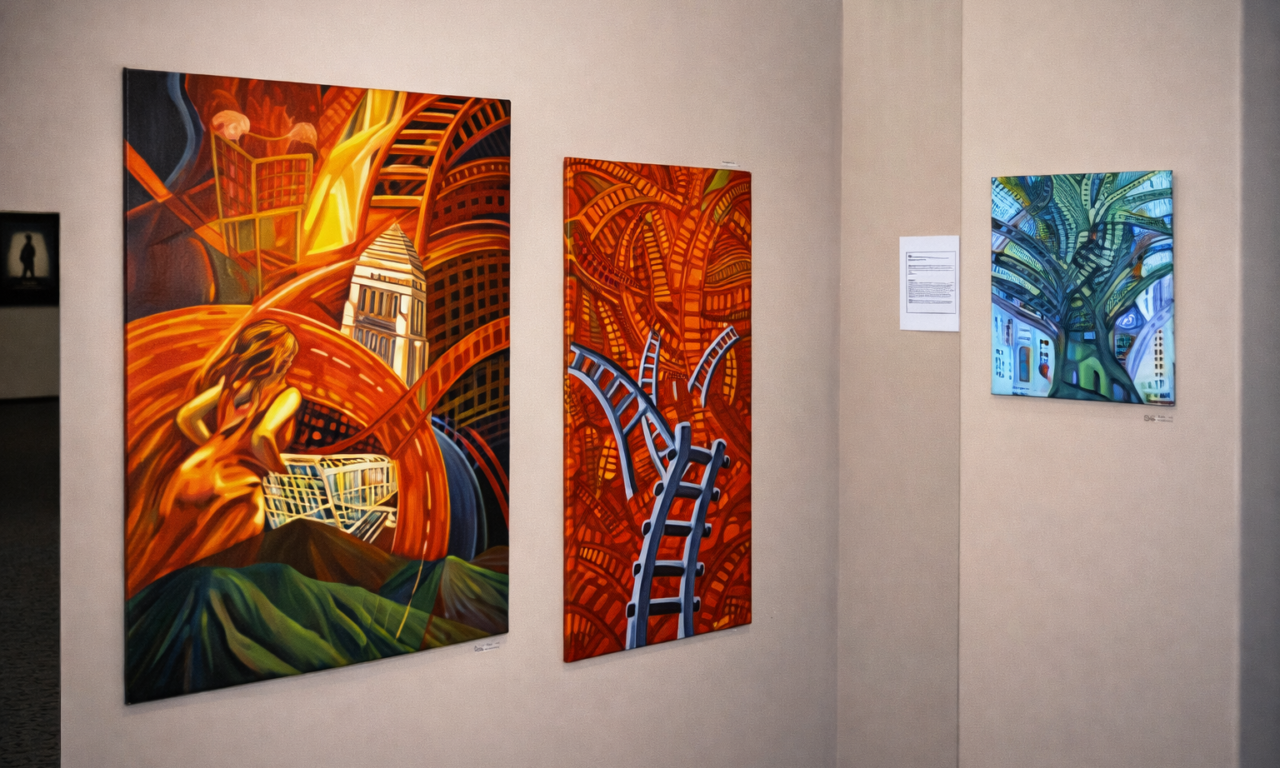
The La Mancha Gallery exhibition remained on view throughout the festival's full four-day run, February 21–24, 2008, at the Indio Performing Arts Center, presenting works in a mixed installation format across multiple heights and surfaces.
The Exhibition Roster
Eleven world-renowned Latino artists, personally selected by guest curator Omar Holguin.
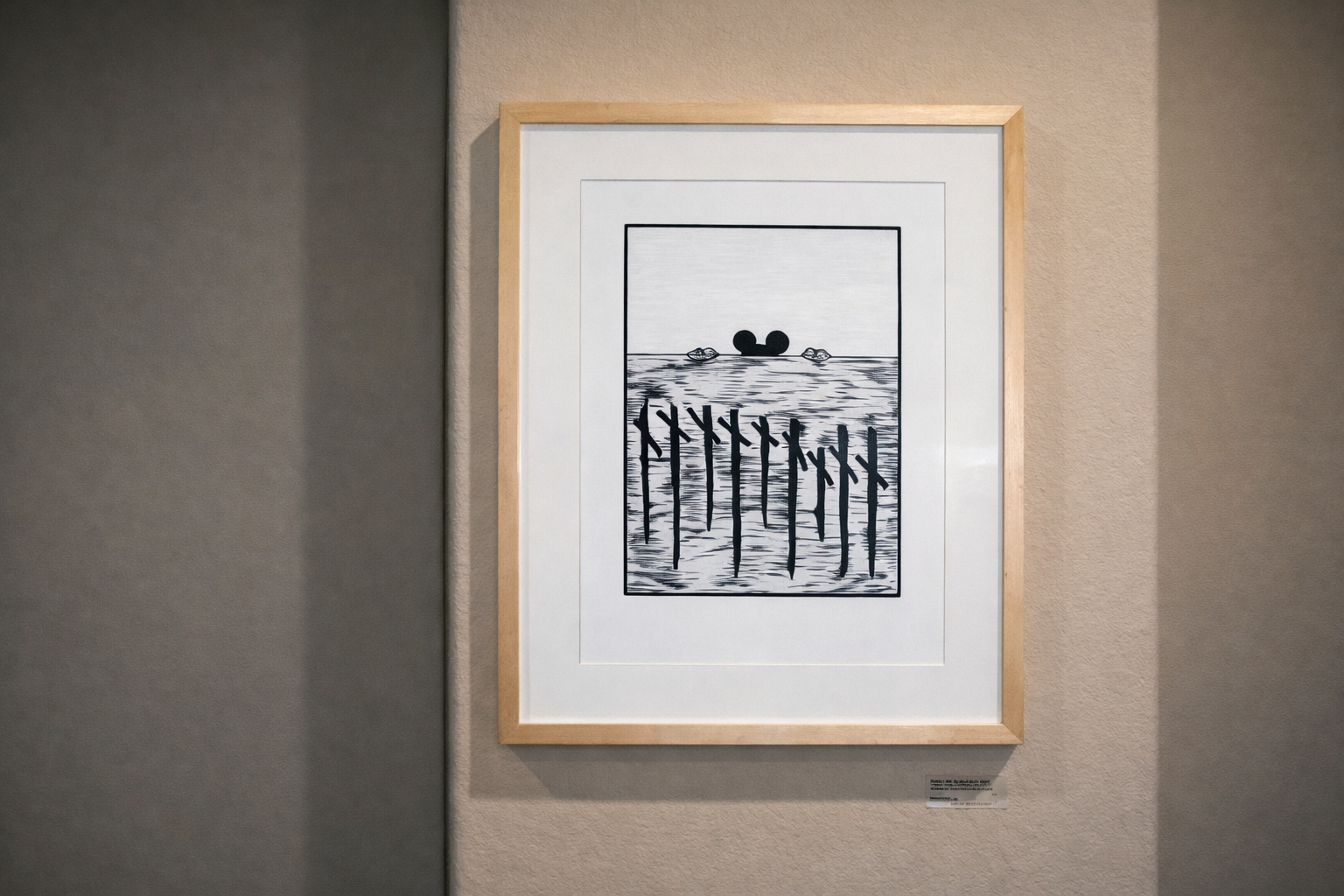
A multifaceted artist and founding member of the Los de Abajo Printmaking Collective — based at Self Help Graphics in Los Angeles and Colectivo PRAD in Tijuana — Escalante has exhibited professionally since 1994 across Mexico, the United States, and Europe. His practice encompasses printmaking, theater, television, and independent film, reflecting a sustained commitment to collaborative and cross-disciplinary cultural production.
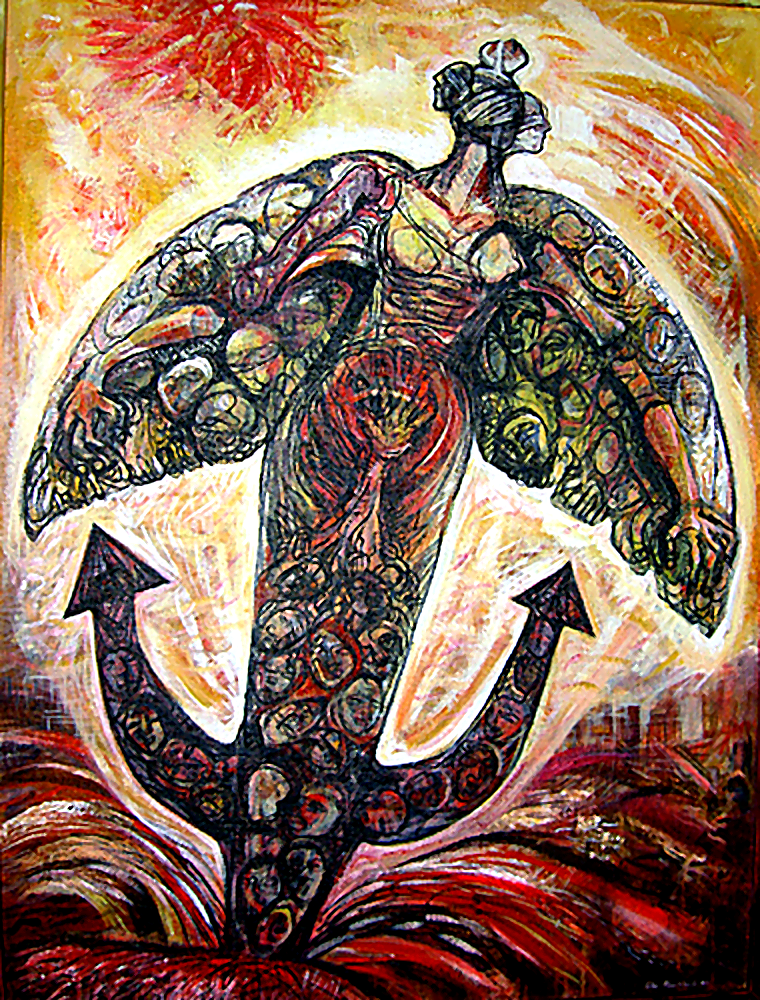
Born in La Libertad, El Salvador, and trained in visual arts and architectural drawing at CENAR and the National University of El Salvador, Escamilla's work is shaped by a life of displacement and discovery — from the Salvadoran Civil War through periods of residence in Guatemala, Oaxaca, and ultimately Los Angeles. His paintings draw on visual memory and a deep familiarity with diverse artistic traditions, producing a body of work that is at once intimate and expansive.
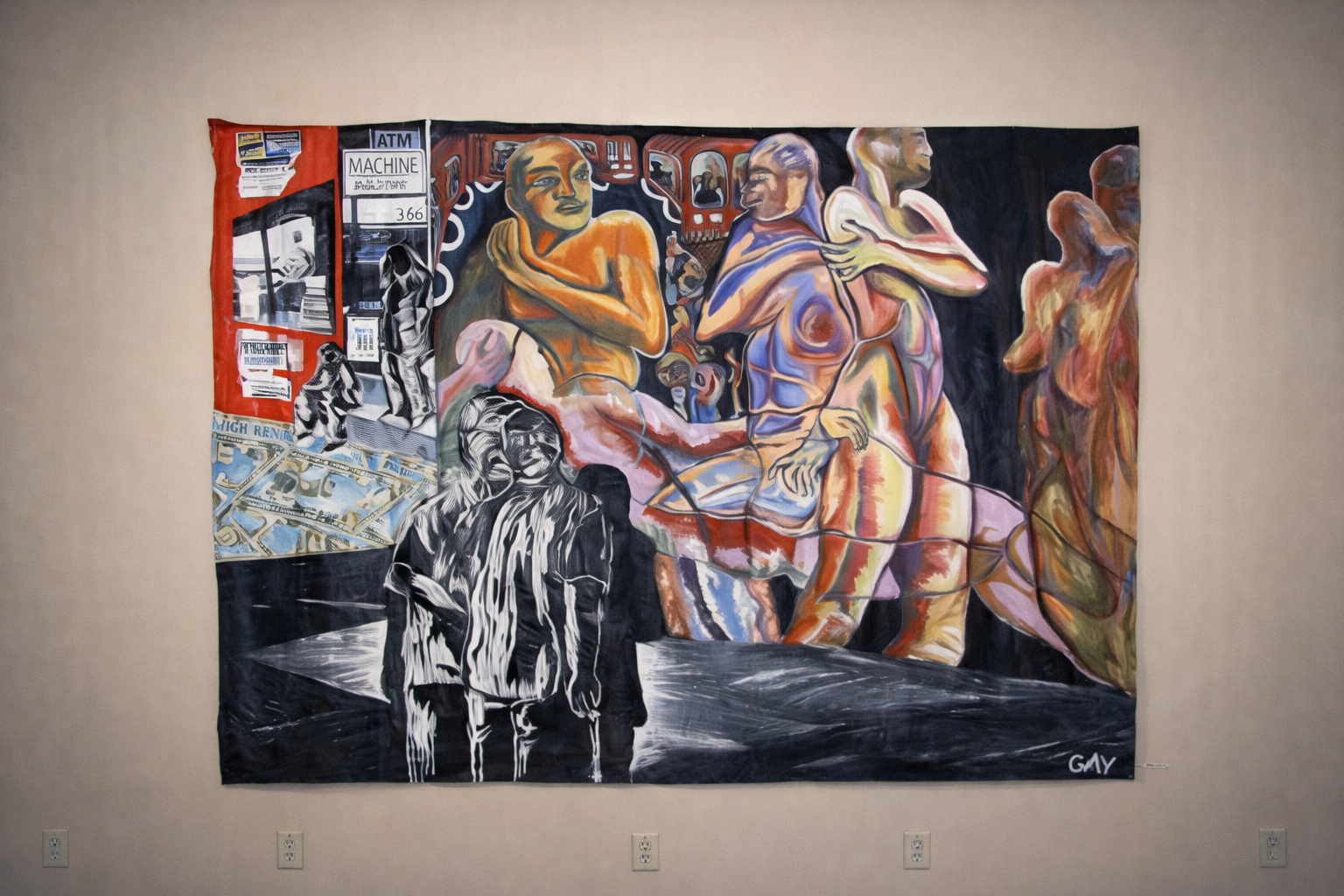
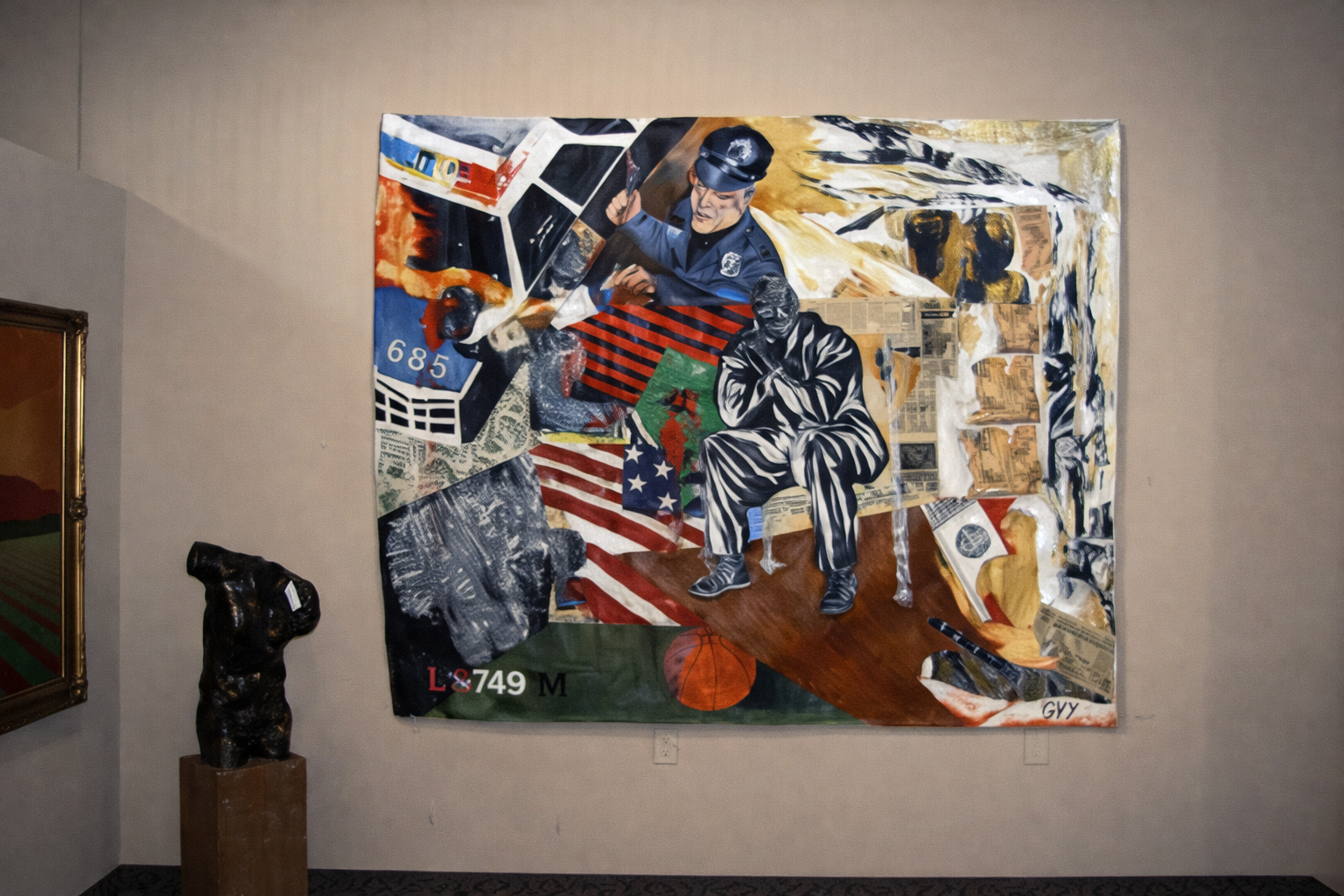
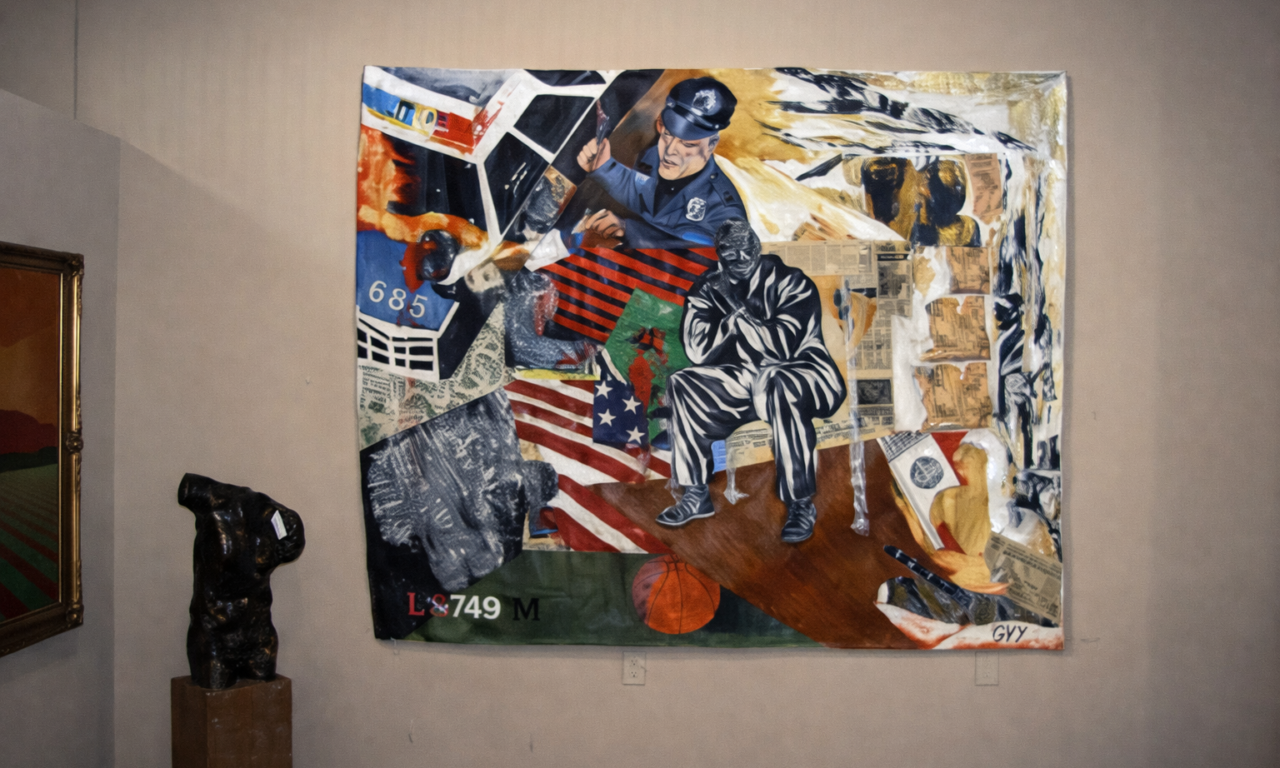
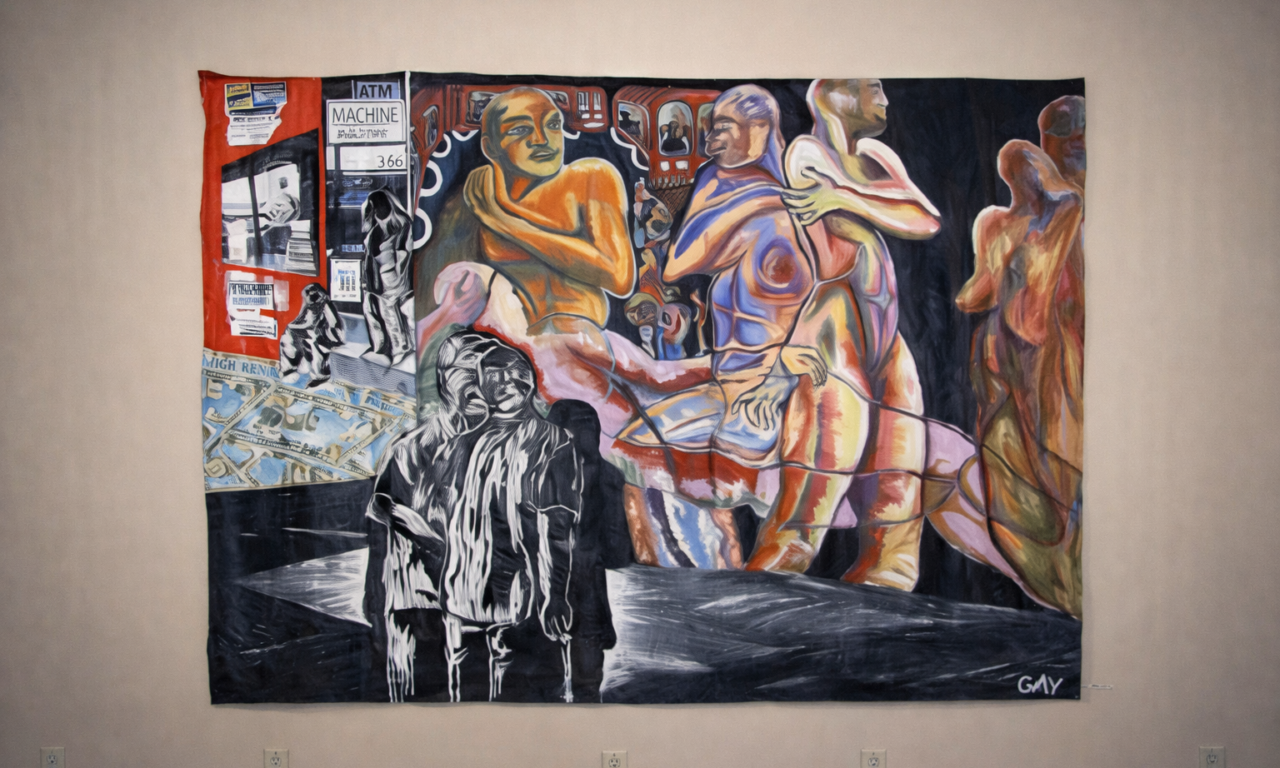
A painter and printmaker born in Colorado Springs and based in San Diego, Velma Gay holds a B.A. in Painting and Printmaking from San Diego State University. Her work is rooted in the lived experience of the Black community — bold, direct, and charged with social conscience. The American flag, a recurring motif throughout her canvases, carries deep personal meaning: a tribute to her father, a Sergeant who died in the Vietnam War, and a persistent interrogation of American identity, freedom, and belonging. She describes her practice as a transformation of the spirit of Rap music into visual form — raw, rhythmic, and uncompromising in its demand to be heard.
A young Mexican-American artist from Los Angeles, M.A.E.R. works primarily in acrylics, producing works that document the textures and rhythms of daily life in the city. His practice is rooted in the visual culture of the streets and neighborhoods he inhabits — an unfiltered chronicle of contemporary urban Los Angeles rendered through a distinctly Chicano lens.
A Los Angeles-based artist holding an MFA from UC San Diego and a BA from UCLA, Magallanes works across painting, sculpture, and mixed media, drawing from his upbringing in a Mexican-American barrio east of downtown Los Angeles. His practice navigates the intersections of cultural iconography, folklore, and the aesthetics of political imagery. Co-founder of the 3B Collective, his work is held in the permanent collections of the Museum of Latin American Art, the National Museum of Mexican Art in Chicago, and the San Antonio Museum of Art, among others.
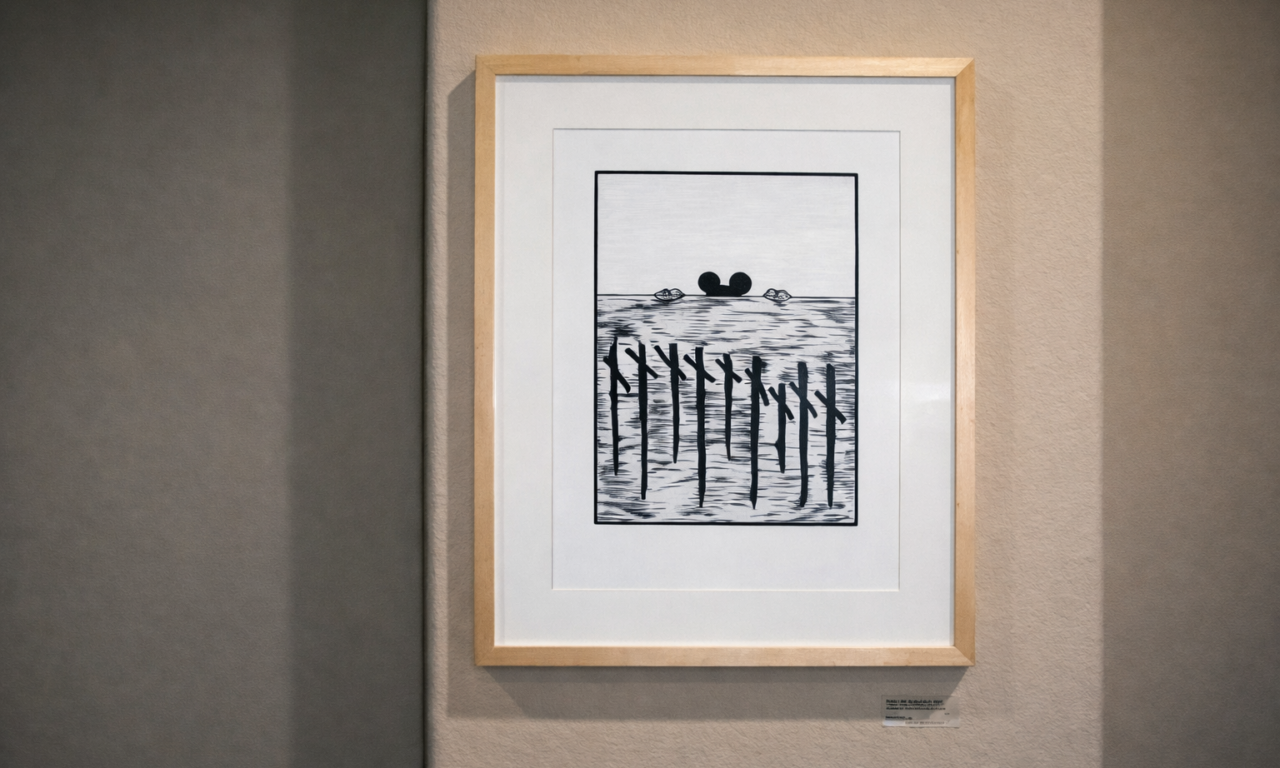
Born in Ponce, Puerto Rico, Poli Marichal is a filmmaker, printmaker, and illustrator whose practice consistently moves between political and environmental inquiry and deeply personal introspection. A founding member of the Los de Abajo Printmaking Collective and a recipient of the Rockefeller Media Arts Fellowship, her work spans linocut, woodcut, monotype, and animation, and is held in the collections of the Los Angeles County Museum of Art, the Laguna Art Museum, and the Instituto de Cultura Puertorriqueña, among many others.
A well-seasoned Mexican-American painter working in oils and acrylics, Reyes Mendoza brings a practiced and assured hand to abstraction, collage, and the imagery of Mexican-American life. His works synthesize formal painterly discipline with a cultural vocabulary drawn from community, heritage, and the layered histories of the Chicano experience.
A self-taught visual artist from Zacatecas, Mexico, with more than 25 years of international exhibition experience, Chávez Montes works across oil painting, egg tempera, digital art, and mixed media. Her series "A Present Past in the Magical Towns of Zacatecas" — 30 works declared national heritage by the Government of Zacatecas — exemplifies her commitment to documenting living cultural traditions. Her work is represented in Mexican embassies across four continents and in private collections worldwide.
Working primarily in acrylics, Daniel Ortega-Flores brings irreverence, wit, and cultural pride to his canvases through a vibrant exploration of Mexican wrestlers and the bold visual language of Mexican kitsch. His paintings celebrate the theatricality and mythology of lucha libre while engaging the broader iconography of Mexican popular culture — work that is at once playful and deeply rooted in cultural identity.
An internationally recognized animation director, storyboard artist, and member of the Academy of Motion Picture Arts and Sciences, Torresan has directed or contributed to animated features grossing over $4.5 billion worldwide, including work on Madagascar, Kung Fu Panda, Boss Baby, and the co-directed Spirit Untamed. A Daytime Emmy Award recipient, he began his career as a painter and illustrator in Brazil, and credits Italian cinema and the graphic novel as his primary artistic influences.
Born and raised in Indio, California, Ignacio González holds a rare distinction among the artists in this exhibition — he is a local artist presented on his own home ground. A graduate of the Brooks Institute of Photography, González brings academic rigor to an instinctive visual sensibility, documenting the textures and rhythms of young life in California with an insider's eye and a poet's restraint. His most recent body of work expands that gaze internationally, with a striking series of photographs made during travels through Costa Rica and Venezuela — revealing a young artist of considerable range, ambition, and promise.