THE CULTURAL THREAD / LA MANCHA GALLERY
On the Alternative Venue Exhibition Model
Keepers of the Flame
Omar Holguin
•
Founder & Curator, La Mancha Gallery
•
May 25, 2026
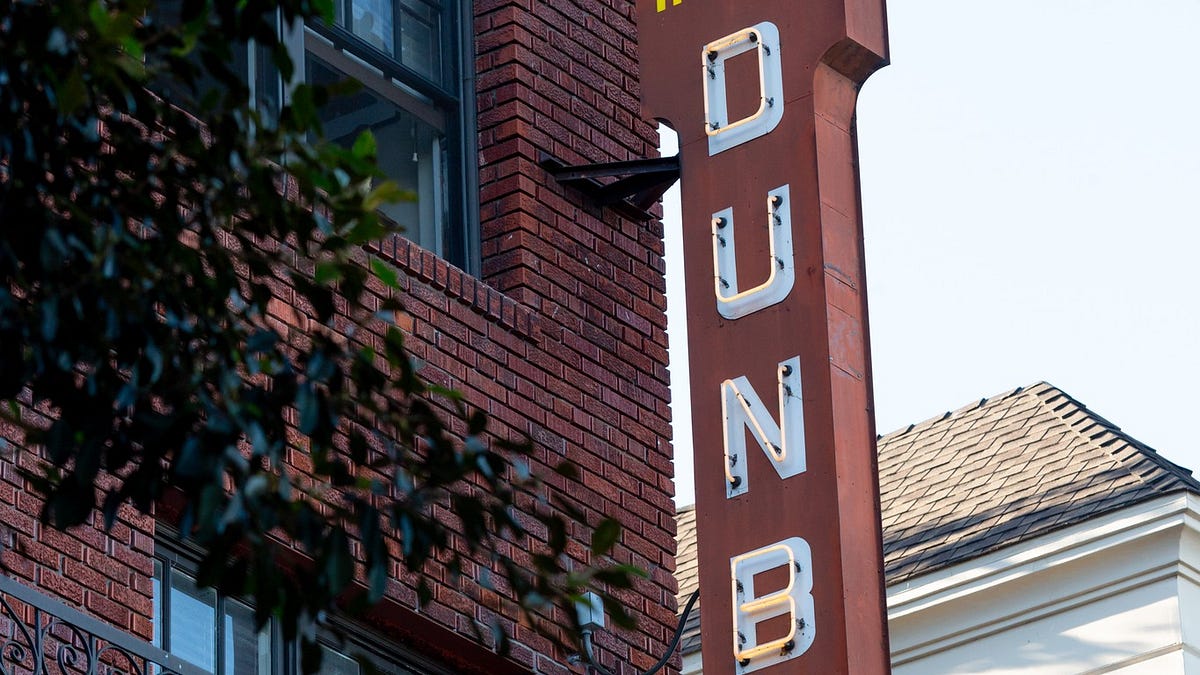
The Historic Dunbar Hotel
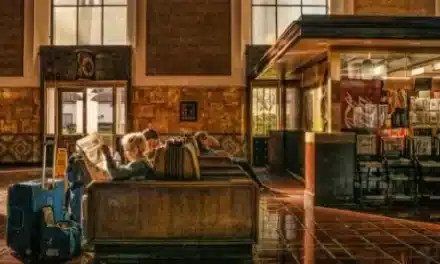
The historic Dunbar Hotel at 4229 South Central Avenue opened in 1928 to host the first-ever NAACP convention on the West Coast, serving its guests with everything the most renowned hotel could offer to a Black traveler in a white-dominated city. For the next two decades, it served as a bulwark for what became called the “Harlem of the West,” a physical space to host musicians who would then populate Central Avenue and become the most vital corridor for jazz west of Harlem.
This is where I do my work.
I didn’t inherit a sunlit gallery on a breezy avenue. Instead, I created something odd that I maintain is more helpful: a practice of exhibitions that goes to the people rather than asks them to come to me.
The Building I Never Built
La Mancha Gallery opened in 2006 with an exhibition titled Salutations, anchored by the artist RETNA. I quit doing it conventionally two years later. Rent for permanent space in Los Angeles is a tax on ambition, and that tax falls heaviest on those artists and audiences I most want in the room together. So I took my gallery off its foundation.
This is what we call the Alternative Venue Exhibition Model. Since 2008, it has produced over 200 exhibitions with more than 100 venue partners: hotels, community centers, storefronts, festival grounds, and open-air pavilions for jazz festivals. The art showed up where the people were. The family that would never walk into a gallery in Beverly Hills will stop in the hotel lobby on their block, in their neighborhood, on their terms, and stand in front of a painting for 20 minutes.
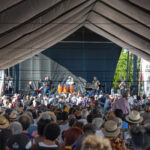
It has been acknowledged by the Mexican Embassy, as well as The United States Congress, Senate, The Cities of Los Angeles and Pomona and it has occupied the Arts Pavilion at the Central Ave. Jazz Festival for 11 years running, without a lease on any of it, even one time.
Remove the white cube, and you remove the bouncer at the door. The art and the public are now in the same room, with nothing between them.
Why Community Arts Programming Matters
Here, plain and simple: access is the whole game
South Los Angeles produced one of the great American art and music scenes of the twentieth century. It has spent decades studying effectively, from people who do not live here, and funded last through institutions, in their headquarters, somewhere else. Community arts programming is how a neighborhood retains authorship over its own story. Who gets shown, who gets paid, and who gets to see themselves on a wall?
I learned this the hard way.
My mother was an educator. She brought us across from Mexico when I was very young, and she never let go of two convictions — that her children would be educated, and that we would never forget the culture we came from. Her perseverance is the engine of my curiosity. Everything I’ve built since stands on it.
The work is not abstract. The toy drive we started at the 2007 exhibition Miracle on 35th Street still runs every year, and still serves South LA families. An exhibition can be a food line. It can be a job, or a first sale for an artist who had never been paid for the work before. Programming that lives inside a community does not extract from it. It pays in.
Keepers of the Flame
Which brings me back to the Dunbar.
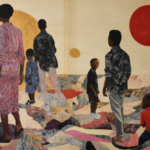
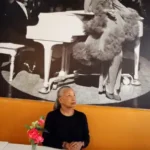
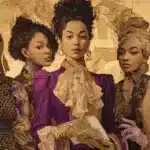
Right now, through the end of July 2026, Women of Central Avenue: Keepers of the Flame is on view at Arts @ Delicious inside the Historic Dunbar Hotel. Nine artists whose work holds the line on a culture this corridor gave the world.
The title is not decoration. Central Avenue’s legacy was built and carried by women whose names rarely made the marquee — the organizers, the teachers, the artists who kept a scene alive while the spotlight pointed elsewhere. This exhibition puts them on the wall, in the building where that history actually happened. Every room asks the same question the Dunbar asked in 1928: who gets to be seen here, and on whose terms?
The flame was never in danger of going out. It just needed somewhere to be seen.
This is the show that proves the model. The right art, in the right place, in front of the people it was made for and about.
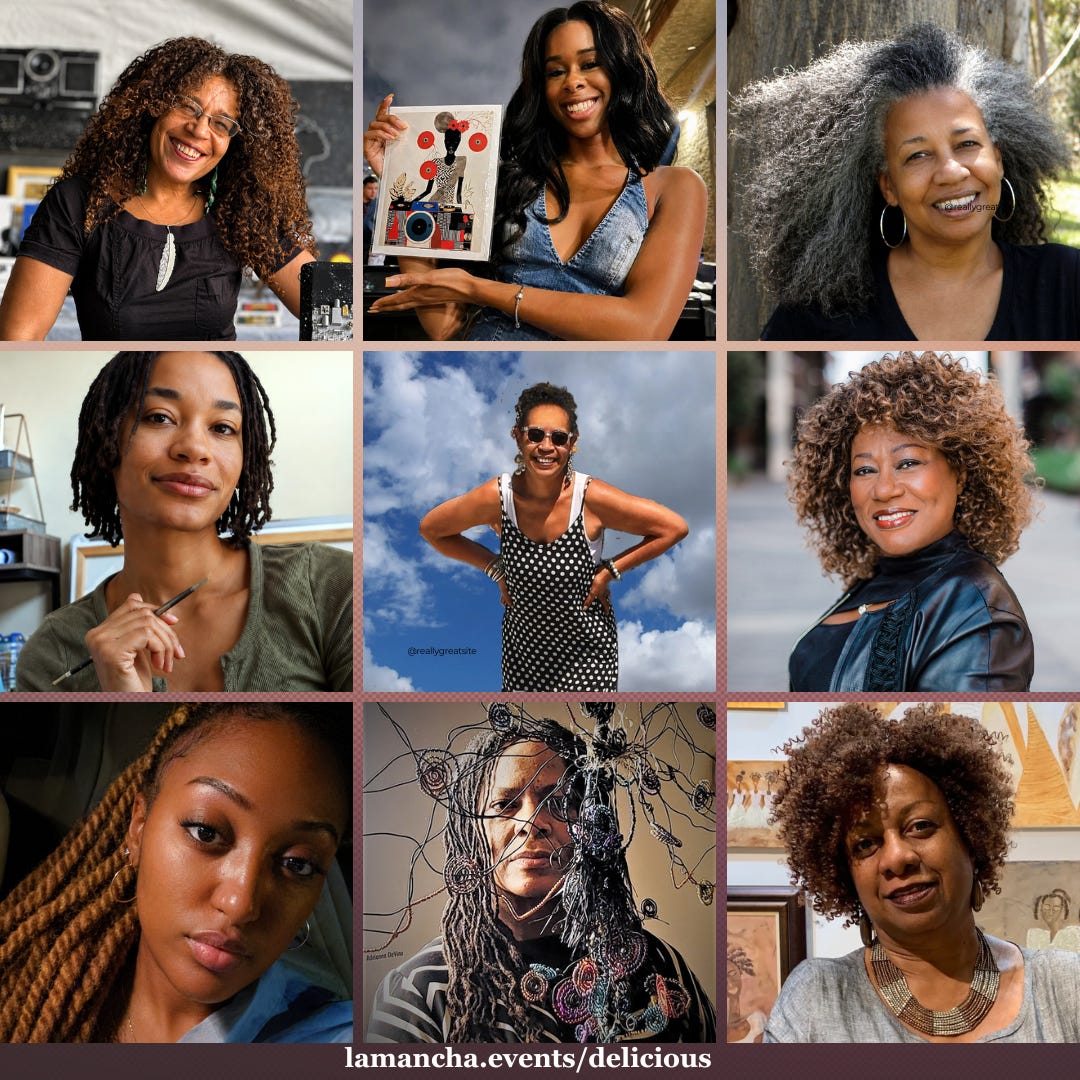
Now on View
Women of Central Avenue: Keepers of the Flame
Arts @ Delicious at The Historic Dunbar Hotel
Through the end of June 2026
4229 South Central Avenue, Los Angeles
Partner With Us
I’ll be direct, because you’ve read this far and you’ve earned directness.
Women of Central Avenue: Keepers of the Flame — and the Alternative Venue Exhibition Model behind it — runs on partnership. Not on grants that arrive eighteen months late, and not on ticket revenue, because we keep the work free to the public on purpose. It runs on sponsors and foundations who understand that this is where cultural impact is cheapest to fund and hardest to fake.
Here is what your support builds:
- Direct artist compensation. Sponsorship pays the nine women in this exhibition and the artists in the shows that follow.
- Free public access. No ticket, no membership, no wall between the work and the neighborhood it belongs to.
- A brand that shows up where it counts. Your name on programming inside the Historic Dunbar, in front of an audience that institutions chronically overlook — and that notices exactly who shows up for it.
- Measurable community return. Attendance, artist sales, press, and the continuation of programs rather than assumed.
Sponsorship Tiers
Presenting Partner — $5,000–$10,000. Named presenting sponsor of Women of Central Avenue. Recognition across all exhibition materials, The Cultural Thread, and on-site signage at the Dunbar.
Exhibition Underwriter — $2,500–$5,000. Funds artist compensation and installation for the current exhibition cycle. Recognition in all exhibition copy and press.
Program Sponsor — $10,000–$25,000. Supports a full season of Arts @ Delicious programming. Season-long recognition.
Community Partner — $500–$1,500 or in-kind. Materials, printing, space, or hospitality, with recognition matched to the contribution.
Multi-year commitments let us plan past a single show, and that is where the deepest partnerships begin. I’m glad to build a custom package around what your organization actually wants to accomplish.
If your foundation or company funds the arts, funds South Los Angeles, or funds both, this is a conversation worth having. Reach me directly at omar@lamanchagallery.com.
Eighteen years ago I took a gallery off its foundation because the foundation was in the way. The art has been moving toward the people ever since. Come to the Dunbar before the exhibition closes. Stand in front of one of these nine paintings and watch someone from the neighborhood do the same.
Omar Holguin
Founder & Curator, La Mancha Gallery — The Cultural Thread